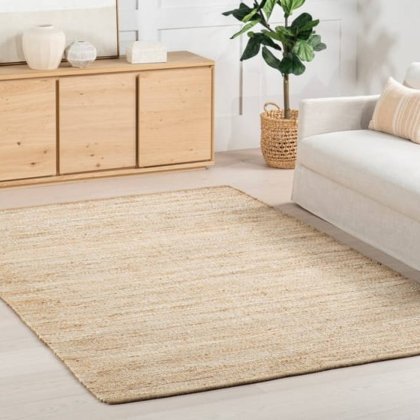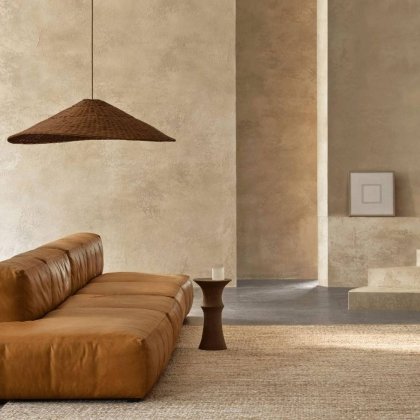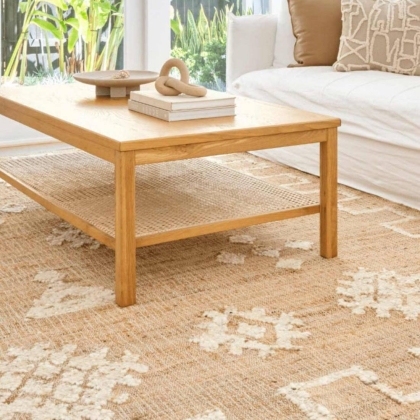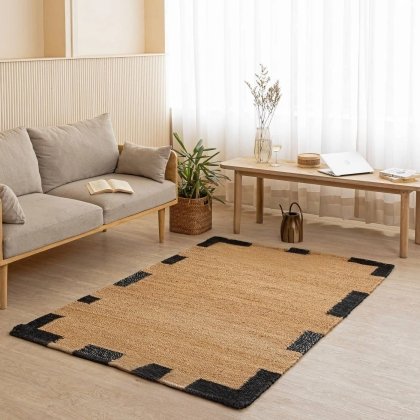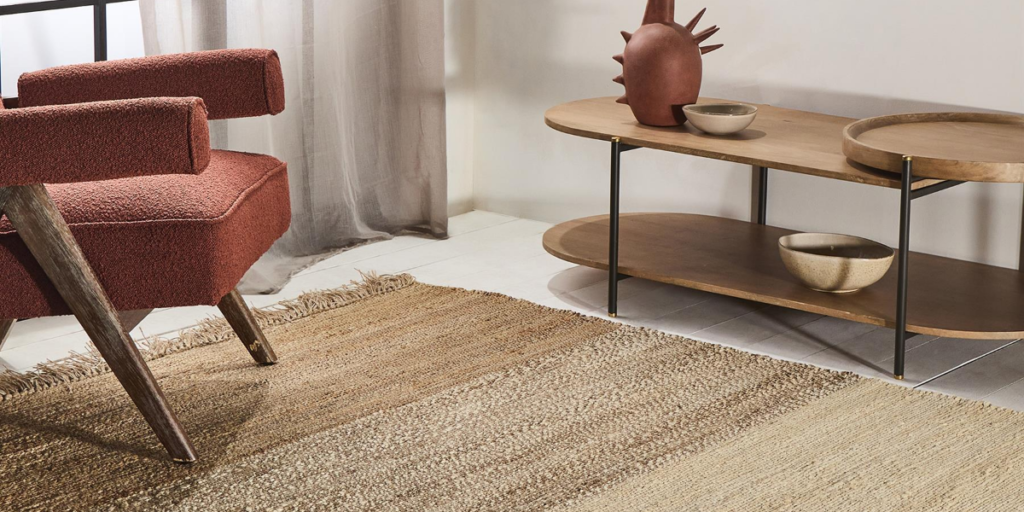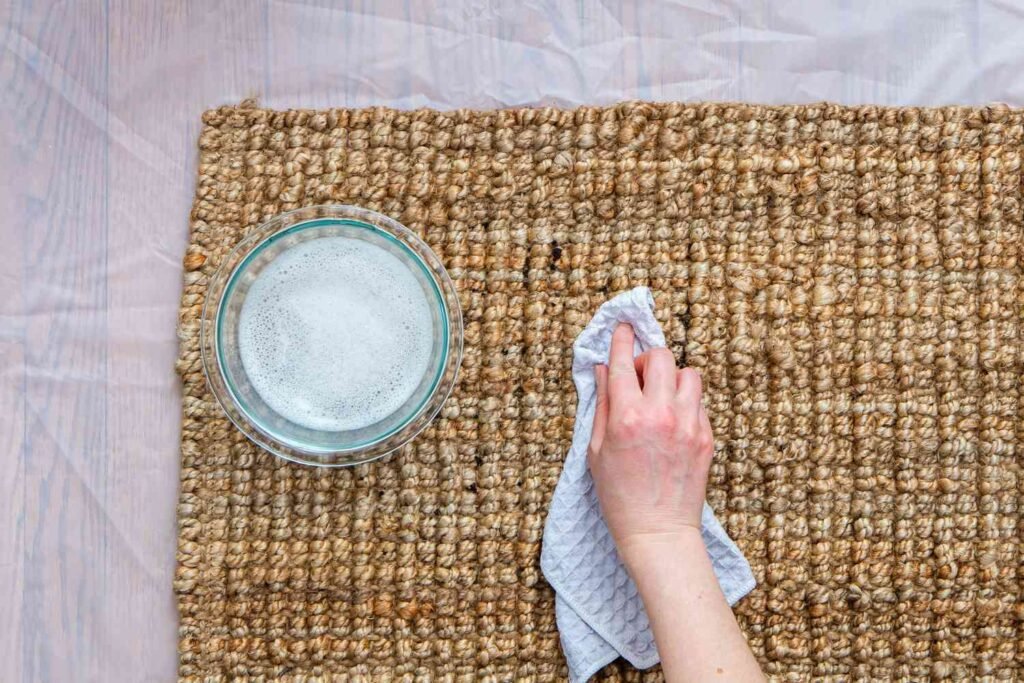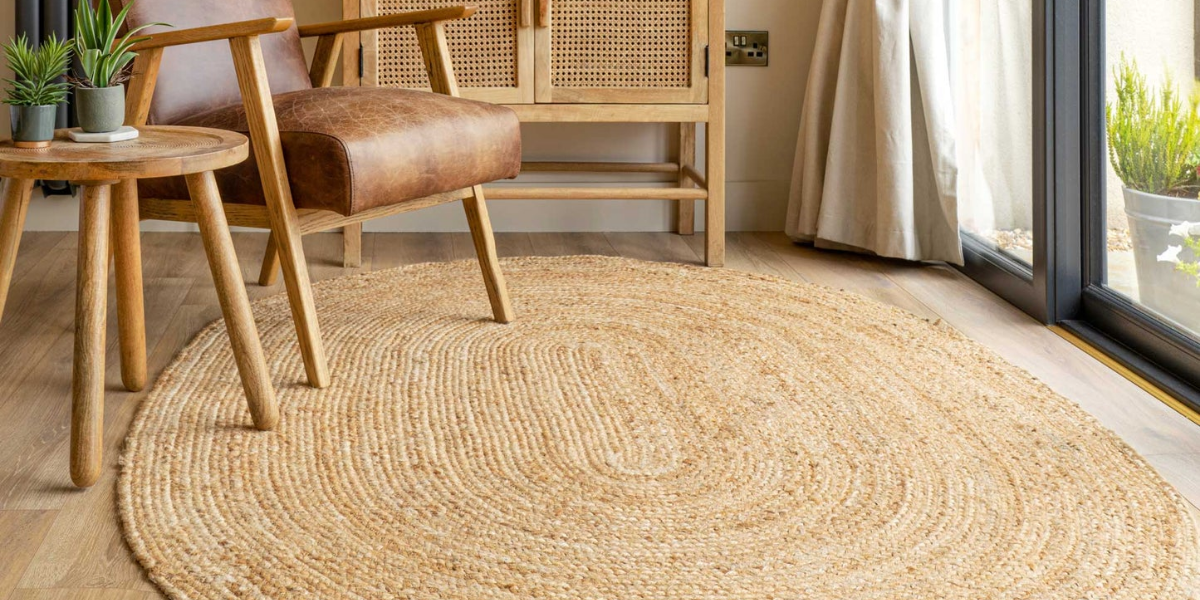
When choosing a rug for your home, material matters more than most people realize. A rug isn’t just a decorative piece; it affects comfort, air quality, durability, and how your space feels over time. Natural jute rugs are one of the best choices for modern homes because they are made from plant-based fibers, offer breathable texture, and support a more sustainable lifestyle. Known for their durability and timeless appeal, jute rugs work especially well in living rooms, bedrooms, and other everyday spaces where comfort and style matter most. In this article, we’ll explore why jute rugs stand out as a superior option and how they compare in performance, comfort, and long-term value for your home.
What Makes Jute a Natural Fiber for Rugs?
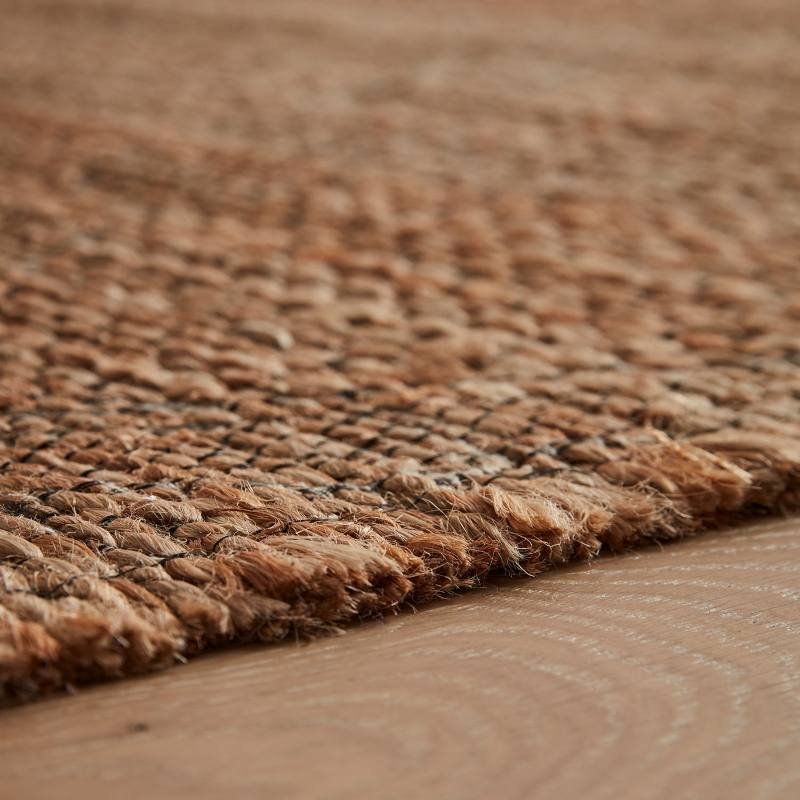

Jute is a natural plant fiber harvested from jute plants grown mainly in tropical regions. It is biodegradable, renewable, and processed with minimal chemical treatment, which makes it one of the most eco-friendly rug materials available. Jute fibers are spun into thick yarns that create a textured, earthy surface well suited for home décor.
Because jute is a natural material, each rug has slight variations in color and texture. This gives jute rugs a warm, organic look that blends easily with modern, boho, rustic, and minimalist interiors. Their natural origin also means they age differently from artificial materials, developing character over time rather than breaking down unnaturally.
What Are Synthetic Rugs?
Synthetic rugs are made from man-made fibers created through chemical processes. These rugs are designed to imitate the look of natural materials while offering greater resistance to stains, moisture, and wear. Unlike natural rugs, synthetic rugs are engineered for consistency and performance rather than texture and authenticity. While they may look appealing at first, their feel, environmental impact, and long-term wear differ significantly from natural fiber rugs like jute.
What Are Synthetic Rugs Made Of?
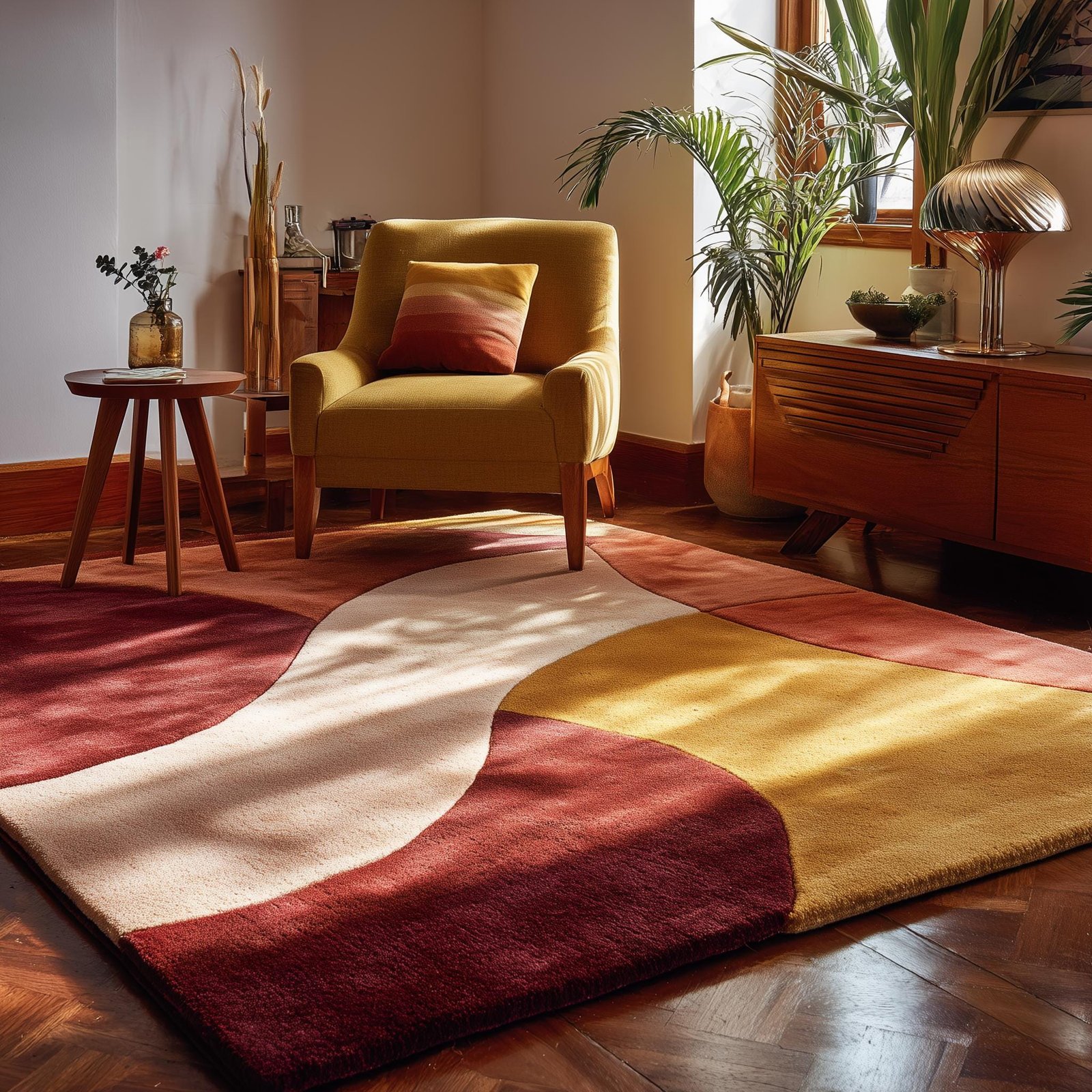
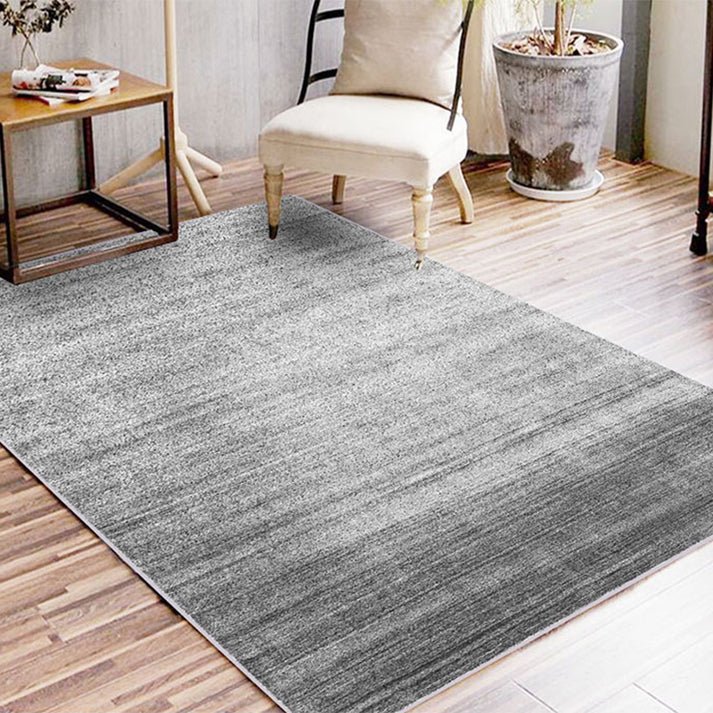
Synthetic rugs are commonly made from materials such as polyester, polypropylene, nylon, and acrylic. These fibers are plastic-based and designed to resist water, stains, and fading. Polyester rugs are soft and budget-friendly, while polypropylene rugs are often marketed as durable and moisture-resistant. Nylon rugs are strong and resilient, commonly used in high-traffic areas. Although these materials are practical, they are not biodegradable and can release microplastics over time. Their performance comes at the cost of environmental impact and a less natural feel underfoot.
What Is the Difference Between Natural Jute Rugs and Synthetic Rugs?
- Material Origin: Natural jute rugs are made from plant fibers harvested from jute plants, making them biodegradable and renewable. Synthetic rugs are produced from plastic-based materials like polyester or polypropylene, which are not biodegradable and rely on chemical processing.
- Environmental Impact: Jute rugs are environmentally friendly and support sustainable living because they break down naturally over time. Synthetic rugs contribute to long-term waste and can release microplastics, making them less suitable for eco-conscious homes.
- Look and Texture: Jute rugs like checkered rugs offer a natural, earthy texture with subtle variations that add warmth and character to a room. Synthetic rugs usually have a uniform appearance and lack the organic depth that natural fibers provide.
- Breathability and Indoor Comfort: Jute rugs are breathable and help regulate temperature, making rooms feel more comfortable. Synthetic rugs tend to trap heat and odors, especially in frequently used living areas.
- Durability Over time: Jute rugs age naturally and develop character when properly cared for. Synthetic rugs may resist stains but often flatten, pill, or degrade visually over time, especially in living spaces.
- Long-term Value: Jute rugs offer better long-term value because they combine durability, timeless style, and sustainability. Synthetic rugs may cost less initially but often need replacement sooner due to wear and loss of appeal.
Jute Rugs vs Synthetic Rugs: Key Comparison Table
| Feature | Jute Rugs | Synthetic Rugs |
| Material | Natural plant fiber | Plastic-based fibers |
| Comfort | Firm, textured, breathable | Soft but less breathable |
| Durability | Strong but sensitive to moisture | Resistant to spills and stains |
| Maintenance | Requires gentle care | Easy To Clean |
| Sustainability | Biodegradable and eco-friendly | Not biodegradable |
| Best Use | Living rooms, bedrooms, low-moisture areas | Kitchens, playrooms, high-spill areas |
| Long Term Aging | Develops natural character | Kitchens, playrooms, high-spill areas |
What Are the Advantages of a Jute Rug?
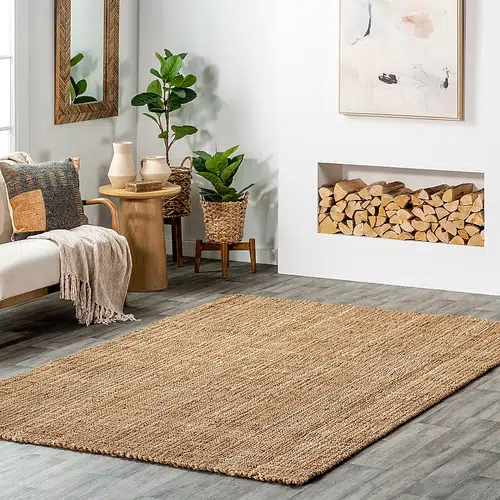
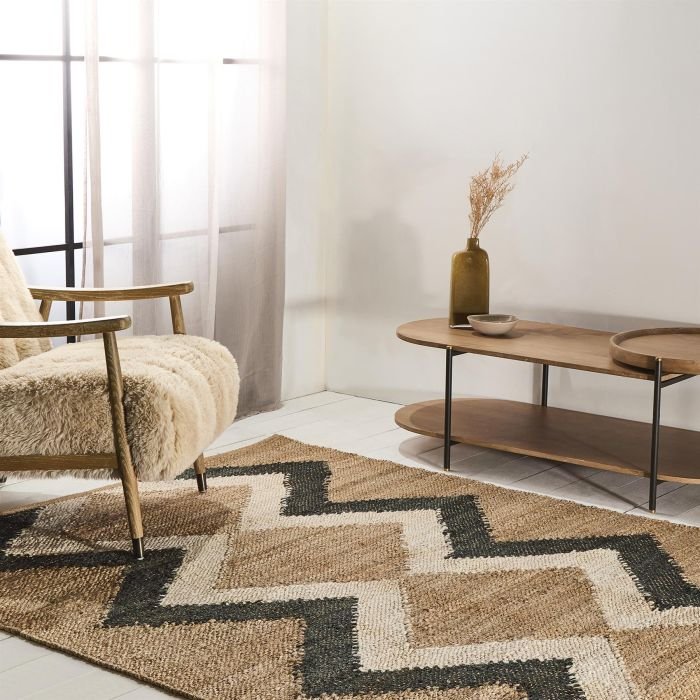
- Made from Natural and Renewable Fibers: Jute rugs are crafted from plant-based fibers, making them an environmentally responsible choice. They are biodegradable and produced with far less chemical processing than synthetic materials.
- Eco-Friendly and Sustainable: Jute is one of the most sustainable natural fibers available. Choosing a jute rug supports eco-conscious living and helps reduce long-term environmental impact.
- Breathable and Comfortable Underfoot: Jute rugs allow air to circulate, helping regulate temperature in living spaces. This creates a more comfortable feel compared to plastic-based rugs that trap heat.
- Durable for Everyday Home Use: Jute fibers are strong and tightly woven, allowing rugs to handle daily foot traffic when placed correctly. With proper care, they maintain their structure and appearance over time.
- Timeless and Versatile Design: The neutral tones and natural texture of hemp and jute rugs blend easily with modern, boho, rustic, and minimalist interiors. They add warmth without overpowering the room.
- Excellent Long-Term Value: Jute rugs age naturally and retain their appeal, offering better value than cheaper materials that flatten or fade quickly. Their durability and timeless look reduce the need for frequent replacement.
Is Jute Better Than Polyester?
Yes, jute is better than polyester if you value sustainability, natural texture, and eco-friendly living. Polyester rugs are softer initially and easier to clean, but they are made from plastic fibers and are not biodegradable. Jute rugs, while requiring more careful maintenance, provide a more authentic and environmentally responsible option. For living rooms and bedrooms where spills are less frequent, jute is often the better long-term choice. Polyester may suit areas where easy cleaning is a higher priority than natural aesthetics.
What Are the Disadvantages of Synthetic Rugs?
- Made from Non-Biodegradable Materials: Synthetic rugs are produced from plastic-based fibers that do not break down naturally. This contributes to long-term environmental waste and makes them a less sustainable option.
- Lower Breathability: Synthetic fibers tend to trap heat and moisture rather than allowing air to circulate. This can make rooms feel warmer and less comfortable, especially in frequently used living spaces.
- Can Release Chemical Odors: Many synthetic rugs emit a noticeable chemical smell when new. These odors come from manufacturing treatments and may linger, affecting indoor air quality.
- Prone to Flattening Over Time: In busy areas, synthetic rugs often lose their shape as fibers flatten under furniture and foot traffic. Once flattened, they rarely regain their original appearance.
- Less Natural Look and Feel: Synthetic rugs are designed for uniformity, which can result in a less authentic texture. They often lack the warmth and organic character that natural fiber rugs provide.
What Rug Materials Should You Avoid for the Living Room?

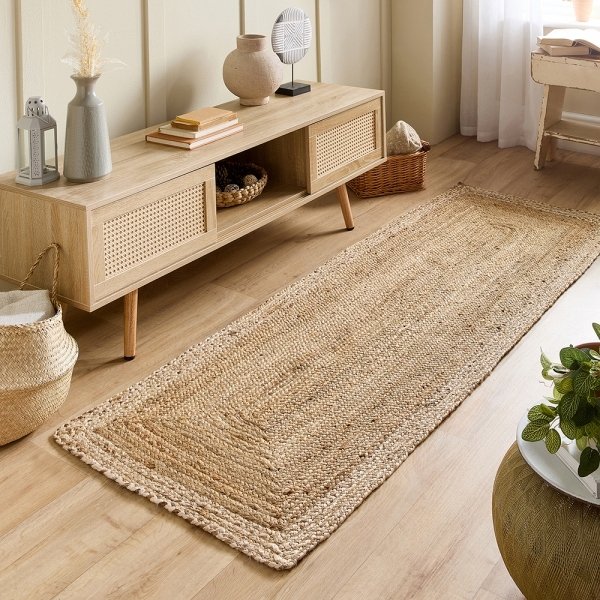
In living rooms, low-quality synthetic rugs made from thin polyester or polypropylene blends should generally be avoided. These materials may wear down quickly under furniture and foot traffic, leading to flattening and visible damage. They can also feel less comfortable during long periods of use. Living rooms benefit from rugs that balance comfort, durability, and visual warmth. Natural fiber rugs like jute perform better in these spaces compared to cheaper synthetic options designed mainly for utility.
How Do Jute and Synthetic Rugs Feel When Walked On?
Jute rugs feel firm, textured, and grounding underfoot. They provide a natural surface that feels stable and supportive, especially when layered or paired with a rug pad. Synthetic rugs often feel softer initially, but they can trap heat and feel less breathable over time. The choice comes down to preference: jute offers a natural, earthy feel, while synthetic rugs prioritize softness and convenience.
Wrap Up
Choosing the right rug comes down to comfort, durability, and how well it fits your lifestyle. Natural jute rugs stand out for their breathable texture, eco-friendly materials, and timeless design that works beautifully in everyday living spaces. While synthetic rugs may offer short-term convenience, jute rugs deliver long-term value, healthier indoor comfort, and a more authentic look for your home. If you’re ready to bring natural warmth into your space, explore our collection of jute rugs, jute poufs, and handcrafted jute décor, thoughtfully designed to combine sustainability, style, and lasting quality.

Jute Rugs
Add texture and comfort to your home with our eco-friendly jute rugs, crafted for durability, natural beauty, and everyday living.

Natural fiber jute rug
Price range: $198.90 through $1,381.90White and natural cotton jute rug
Price range: $165.90 through $1,516.90Black border hemp and jute area rug
Price range: $123.90 through $1,389.90