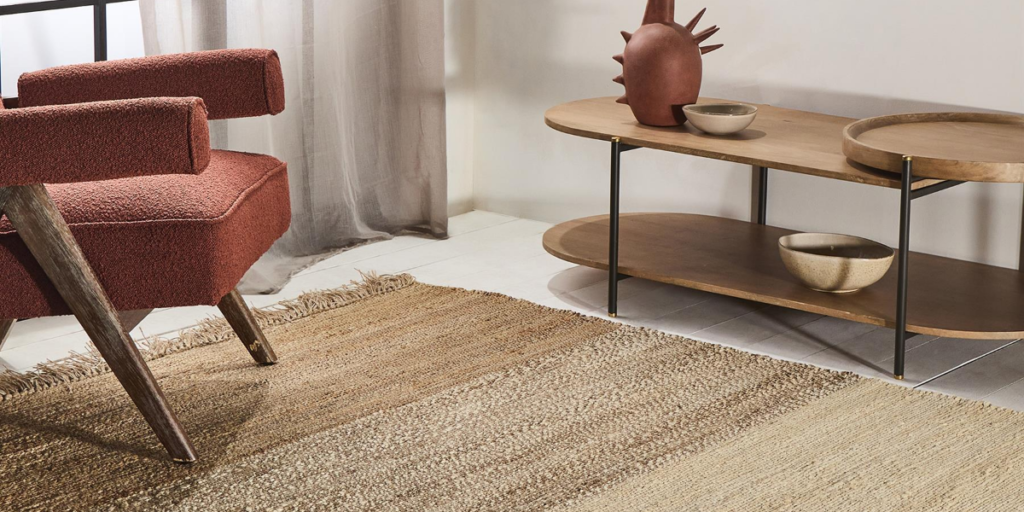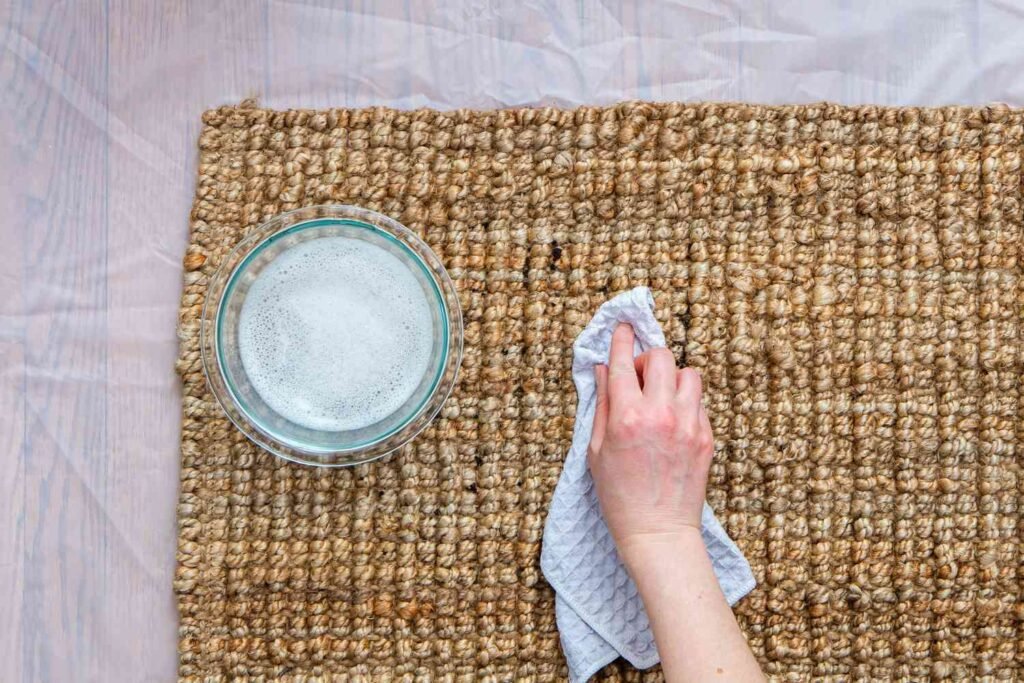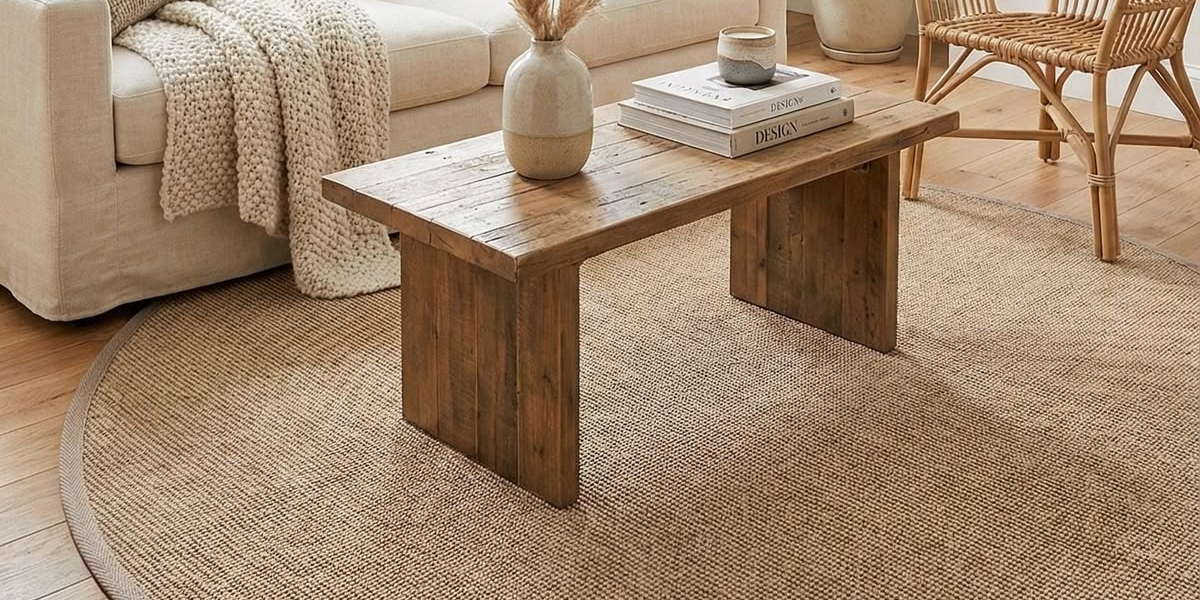
Walk into a thoughtfully designed home and you can often sense the difference immediately. The space feels layered, warm, and personal rather than staged or overly polished. Interior designers frequently achieve this effect by incorporating handmade pieces that bring texture, history, and individuality into a room. From artisan ceramics to woven textiles, these elements add depth that mass-produced items often lack. Designers use handmade pieces because they introduce natural variation, visible craftsmanship, and emotional warmth that make rooms feel truly authentic. Among these, handmade jute rugs play a foundational role in shaping a space that feels grounded and real.
Why Do Designers Prefer Handmade Pieces Over Mass-Produced Decor?
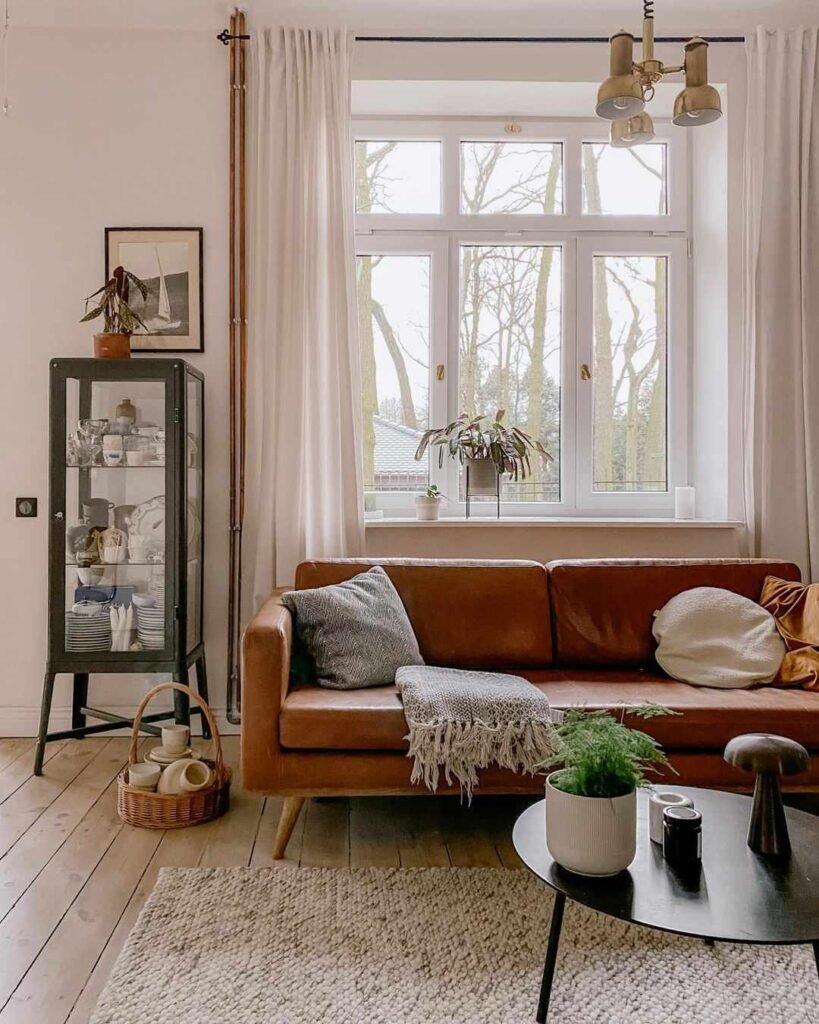
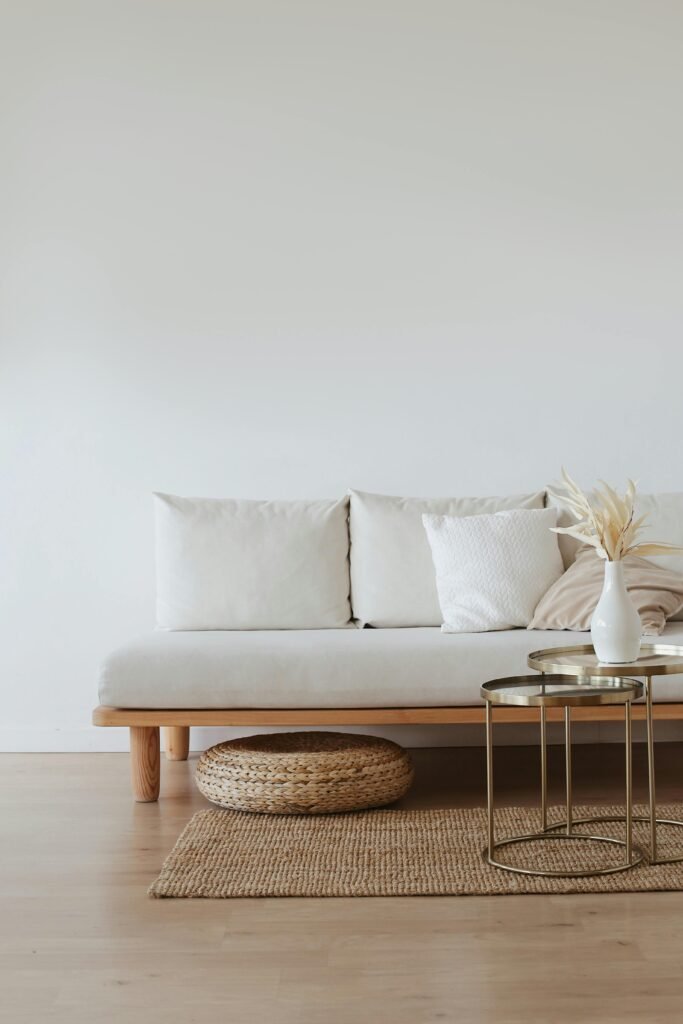
Designers choose handmade decor for specific, practical design reasons. It’s not just emotional , it’s strategic.
- Unique Character in Every Piece: Handmade items are never identical. Small variations in texture, weave, and finish create individuality, helping designers avoid spaces that feel copied or generic.
- Visible Craftsmanship and Detail: Handmade decor reflects the time and skill invested in its creation. Designers value this visible craftsmanship because it elevates the perceived quality of the entire room.
- Depth and Texture Over Flat Uniformity: Mass-produced pieces often look visually flat. Handmade elements introduce layered textures that add dimension and make interiors feel lived-in rather than staged.
- Emotional Warmth and Authenticity: Rooms filled only with factory-made products can feel impersonal. Handmade pieces introduce warmth and a sense of story, which makes the space feel more human.
- Long-Term Design Value: Designers often prefer pieces that age naturally and remain relevant over time. Handmade decor typically holds its appeal longer than trend-driven mass products.
How Do Handmade Jute Rugs Help Create a More Natural Space?
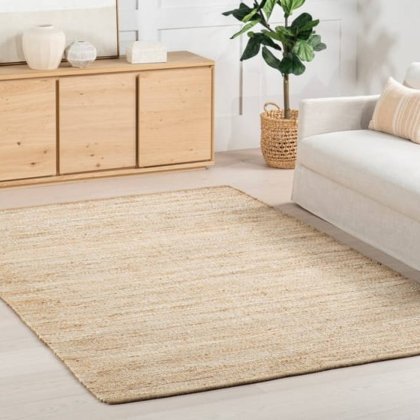
Handmade jute rugs are frequently used by designers as grounding elements in interior design.
- Natural Fiber Texture: Jute is a plant-based material with an organic surface texture. This instantly softens modern interiors that may otherwise feel cold or overly polished.
- Earth-Toned Color Palette: The neutral, earthy tones of jute rugs blend seamlessly into different design styles, creating a calming and balanced visual foundation.
- Subtle Variations in Weave: Because they are handmade, jute rugs show slight tonal and structural differences. These variations enhance authenticity and prevent the space from feeling artificial.
- Grounding Effect in Open Spaces: In larger living rooms or open layouts, a jute rug helps visually anchor furniture and define seating areas without overwhelming the design.
- Natural Aging Over Time: Unlike synthetic rugs, handmade jute rugs develop character as they age. This gradual evolution contributes to a space that feels organic and established.
What Makes Handmade Decor Feel More Authentic in a Room?

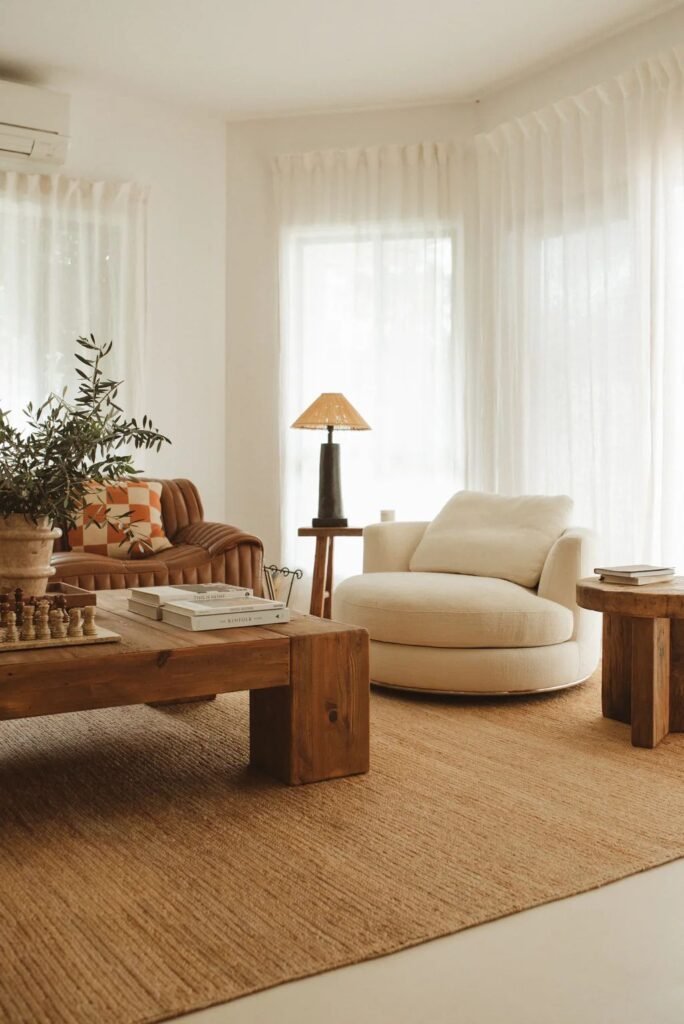
Authenticity in interior design comes from layers, texture, and visible craftsmanship. Handmade decor carries small imperfections that remind us a human hand was involved in its creation. These imperfections are not flaws; they are signs of authenticity. In a room filled only with mass-produced furniture, everything can feel overly precise. Introducing handmade elements such as woven rugs, handcrafted poufs, or textured cushions breaks that uniformity. Designers understand that authenticity often comes from contrast between refined structure and organic detail.
Why Are Jute Rugs Often Used as the Foundation of a Living Room?
In many interiors, the rug sets the tone for the entire space. Designers frequently choose jute rugs as the foundation of a living room because they create a neutral yet textured base that supports other elements. A natural jute rug anchors seating arrangements, defines zones in open layouts, and visually connects furniture pieces. Its understated color palette allows designers to layer additional textures, patterns, and colors without overwhelming the room. Because jute rugs are durable and versatile, they work well in everyday living spaces that experience regular use.
How Do Designers Style a Living Room With a Natural Jute Rug?
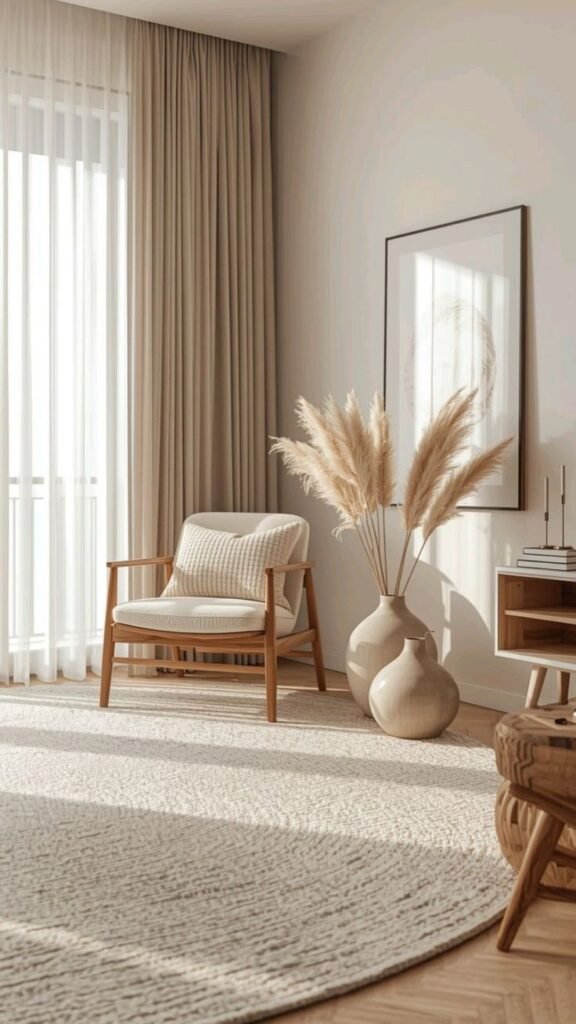
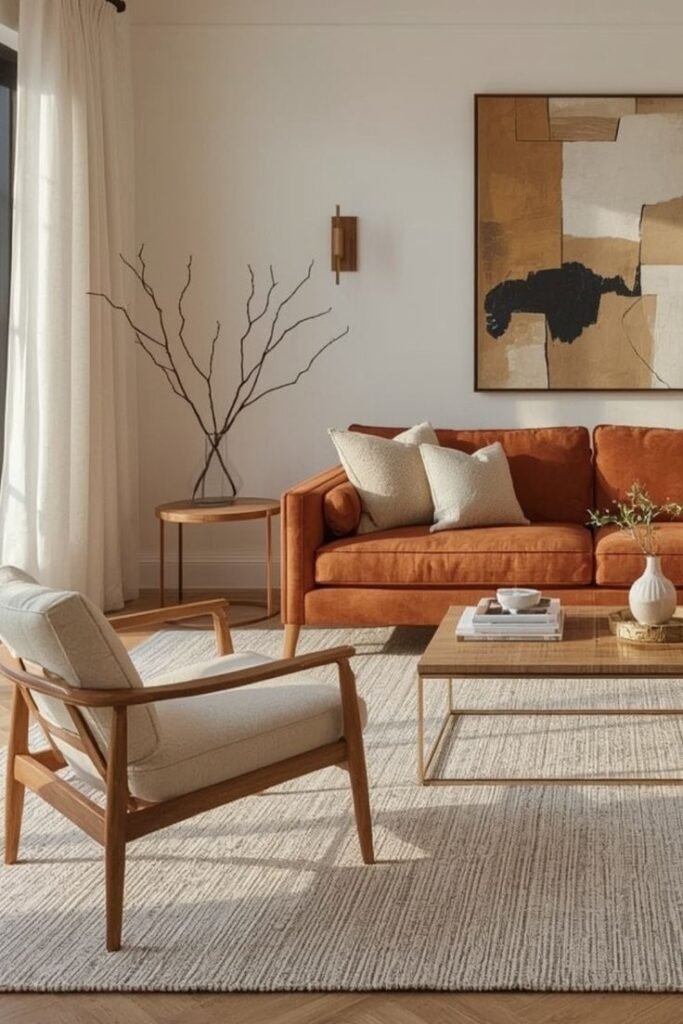
- Use It as the Base Layer of the Room: Designers often begin with a natural jute rug as the foundational layer. Its neutral tone creates a grounded canvas that allows furniture, lighting, and accessories to build naturally around it without visual conflict.
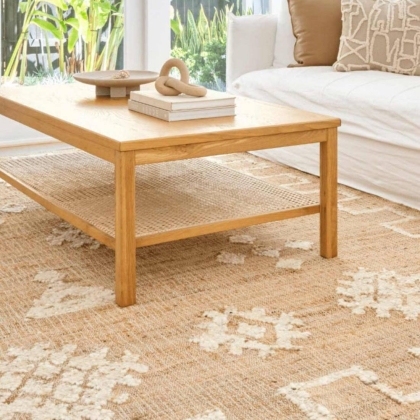
- Layer With a Smaller Statement Rug: To add depth and contrast, designers frequently place a patterned or vintage-style rug over a large jute rug. This technique keeps the room textured and dynamic while maintaining a natural base.
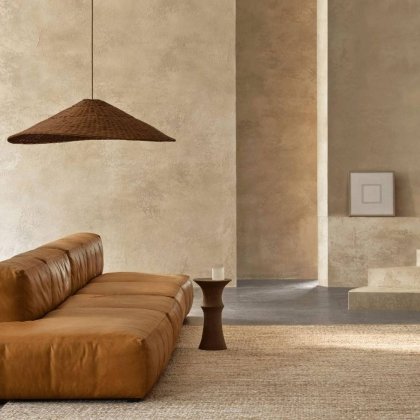
- Pair It With Soft Upholstery: The slightly coarse texture of jute balances beautifully with soft fabrics like linen, cotton, or velvet. Designers use this contrast to create a comfortable and inviting seating area.
- Anchor the Seating Arrangement: A jute rug is often sized to hold the front legs of sofas and chairs. This visually connects the furniture pieces and prevents the layout from feeling scattered.
- Balance Modern Furniture With Natural Texture: In contemporary living rooms with clean lines and metal accents, a jute rug softens the space. It introduces warmth and prevents the design from feeling too cold or minimal.
- Highlight Wood and Earth-Toned Elements: Designers use jute rugs to complement wooden furniture, rattan chairs, and natural decor pieces. The shared organic tones create harmony and continuity throughout the room.
- Define Open-Plan Spaces: In open layouts, a jute rug helps visually separate the living area from dining or kitchen spaces. This adds structure without requiring walls or dividers.
- Keep the Color Palette Calm and Layered: Because jute is naturally neutral, designers often build layered color schemes around it using soft whites, beiges, warm browns, and muted greens for a cohesive look.
- Add Contrast Through Cushions and Throws: To prevent the room from feeling flat, designers introduce textured pillows and throws on sofas placed over the jute rug. This layering enhances comfort and visual richness.
- Let the Rug Age Naturally: Designers appreciate that jute rugs develop character over time. Rather than replacing them quickly, they allow the material to soften and settle, which enhances the room’s authenticity.
Wrap UP
Handmade pieces bring depth, texture, and authenticity into interiors in ways mass-produced decor simply cannot. Designers rely on natural materials and visible craftsmanship to create rooms that feel warm, grounded, and personal rather than staged or artificial. A well-chosen jute rug can anchor your living space, while complementary accents add comfort and character. If you’re ready to create a home that feels more natural and timeless, explore our full range of jute rugs, jute pillows, and handcrafted pieces designed to bring lasting authenticity into your everyday living spaces.

Jute Rugs
Add texture and comfort to your home with our eco-friendly jute rugs, crafted for durability, natural beauty, and everyday living.

Natural fiber jute rug
Price range: $198.90 through $1,381.90White and natural cotton jute rug
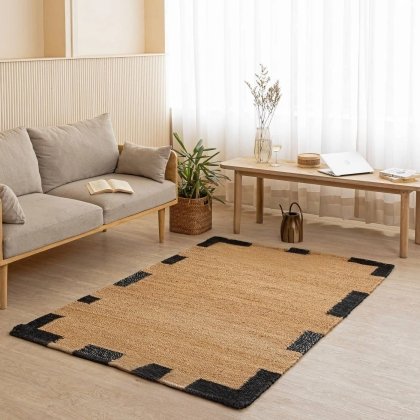
Price range: $165.90 through $1,516.90Black border hemp and jute area rug
Price range: $123.90 through $1,389.90