
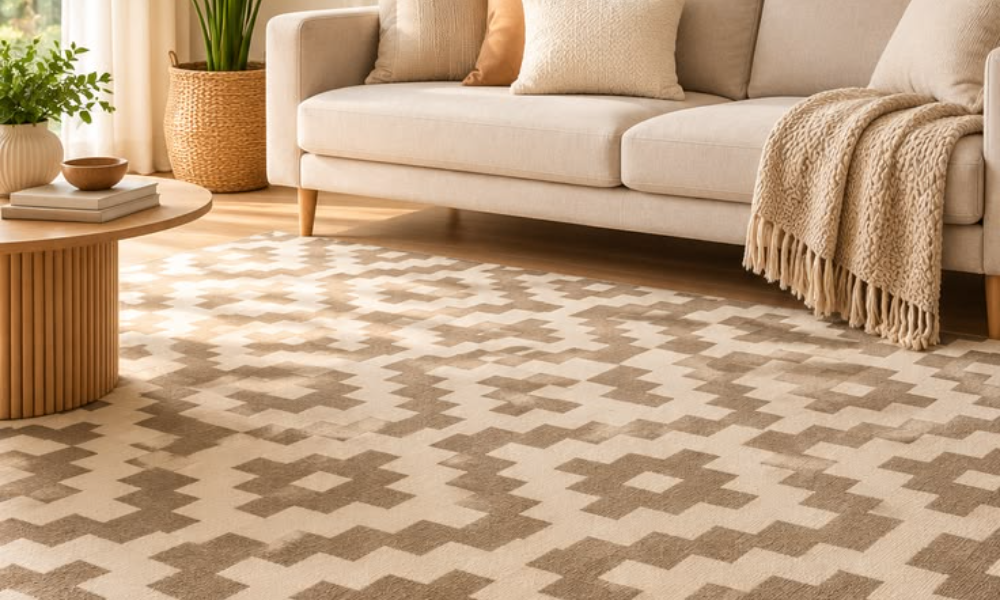
Jute and cotton rugs have become a popular choice for homeowners who want natural texture, comfort, and durability without sacrificing style. Made from two plant-based fibres, these rugs combine the structured weave of jute with the softer, more flexible qualities of cotton. Jute and cotton rugs are generally durable enough for everyday household use, particularly in bedrooms, living rooms, and other low-to-moderate traffic areas — though whether jute rugs good for high-traffic areas depends on several additional factors. However, their lifespan depends on several factors, including weave quality, foot traffic, moisture exposure, and regular maintenance. Understanding how these blended rugs perform, whether they shed, and how to care for them can help you choose a rug that stays attractive and functional for years.
What Is a Jute and Cotton Rug?
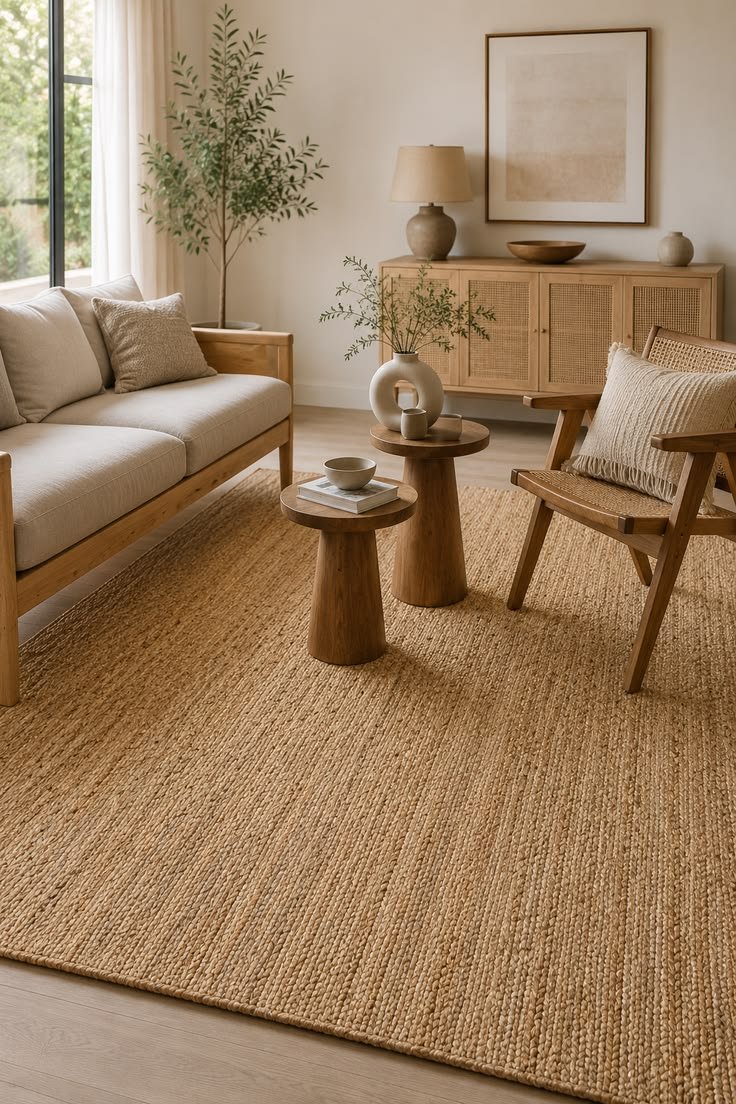
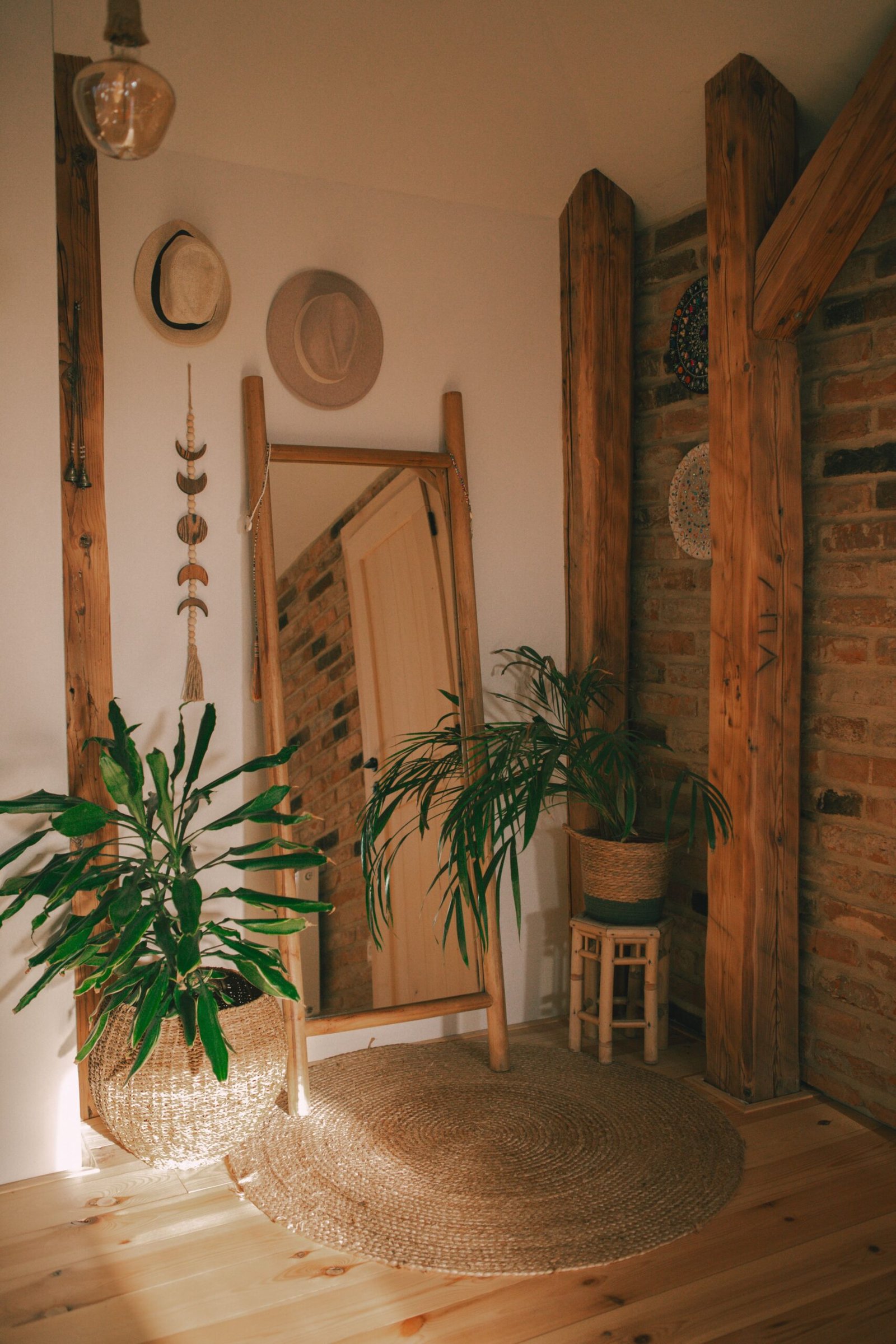
A jute and cotton rug is a woven floor covering made from a combination of natural jute and cotton fibres. Jute comes from the stalks of the jute plant and provides a firm, textured structure, while cotton comes from the cotton plant and adds flexibility and a softer feel. Together, these materials create a rug that combines natural texture with everyday comfort. Jute and cotton rugs are commonly available in flatwoven, braided, geometric, striped, and patterned designs, and circle/round jute rugs are among the most popular shapes for defining a seating area. Their natural appearance makes them suitable for bohemian, rustic, coastal, minimalist, and contemporary interiors, illustrating how natural rugs and textiles transform living spaces with texture and warmth. Unlike rugs made entirely from synthetic materials, jute and cotton blends feature plant-based fibres that give each piece a distinctive woven character. Their appearance and softness can vary depending on the proportion of each material and the weaving technique used.
What Are the Benefits of Jute and Cotton Rugs?
- Natural Durability: Jute fibres provide strength and structure, while cotton adds flexibility to the weave. Together, they create a rug that can withstand regular use in low-to-moderate traffic areas when properly maintained.
- Soft and Comfortable Texture: Cotton helps soften the naturally coarse texture of jute, creating a more comfortable surface underfoot. This makes blended rugs suitable for bedrooms, living rooms, and relaxing seating areas.
- Versatile Designs: Knowing how to style jute rugs in your home is easier when you have a wide range of colours, patterns, and weaving styles that complement modern, rustic, and bohemian interiors. The Boho abstract cotton jute rug is a decorative option for adding natural texture and an artistic pattern to your space.
- Natural Plant-Based Materials: Both jute and cotton come from renewable plant sources, making them an appealing choice for homeowners who prefer natural fibres over fully synthetic materials.
- Lightweight and Flexible Construction: Many flatwoven jute and cotton rugs are easier to move, reposition, and rotate than heavier, thick-pile rugs. Their flexibility also makes them practical for rearranging furniture or refreshing room layouts.
- Easy Everyday Maintenance: Regular gentle vacuuming helps remove dust, dirt, and loose fibres without requiring complicated cleaning routines. However, these rugs should be protected from excessive moisture.
- Warm and Inviting Appearance: The combination of natural jute texture and cotton yarn adds visual warmth to a room. These rugs pair particularly well with wooden furniture, neutral upholstery, and other natural decorative accessories.
What Materials Are Used to Make Jute and Cotton Rugs?
Jute and cotton rugs are primarily made from two natural plant-based fibres: jute and cotton. Each material contributes different qualities to the rug’s texture, appearance, and durability. Jute is extracted from the stems of the jute plant and is known for its relatively strong, coarse fibres. It provides structure, durability, and the distinctive earthy texture commonly associated with natural woven rugs. Cotton, on the other hand, comes from the cotton plant and offers a softer, more flexible feel. It also allows manufacturers to incorporate different colours, patterns, and decorative details into the rug.
Understanding how jute rugs made their way into homes begins with manufacturing, where jute and cotton yarns are woven together using techniques such as flatweaving or braiding. The proportion of each fibre varies depending on the design, affecting the rug’s softness, thickness, flexibility, and overall appearance. For example, the Jute cotton blend rug combines these natural fibres to create a textured floor covering that complements a variety of interior styles.
Are Jute and Cotton Rugs Good for Homes With Pets?
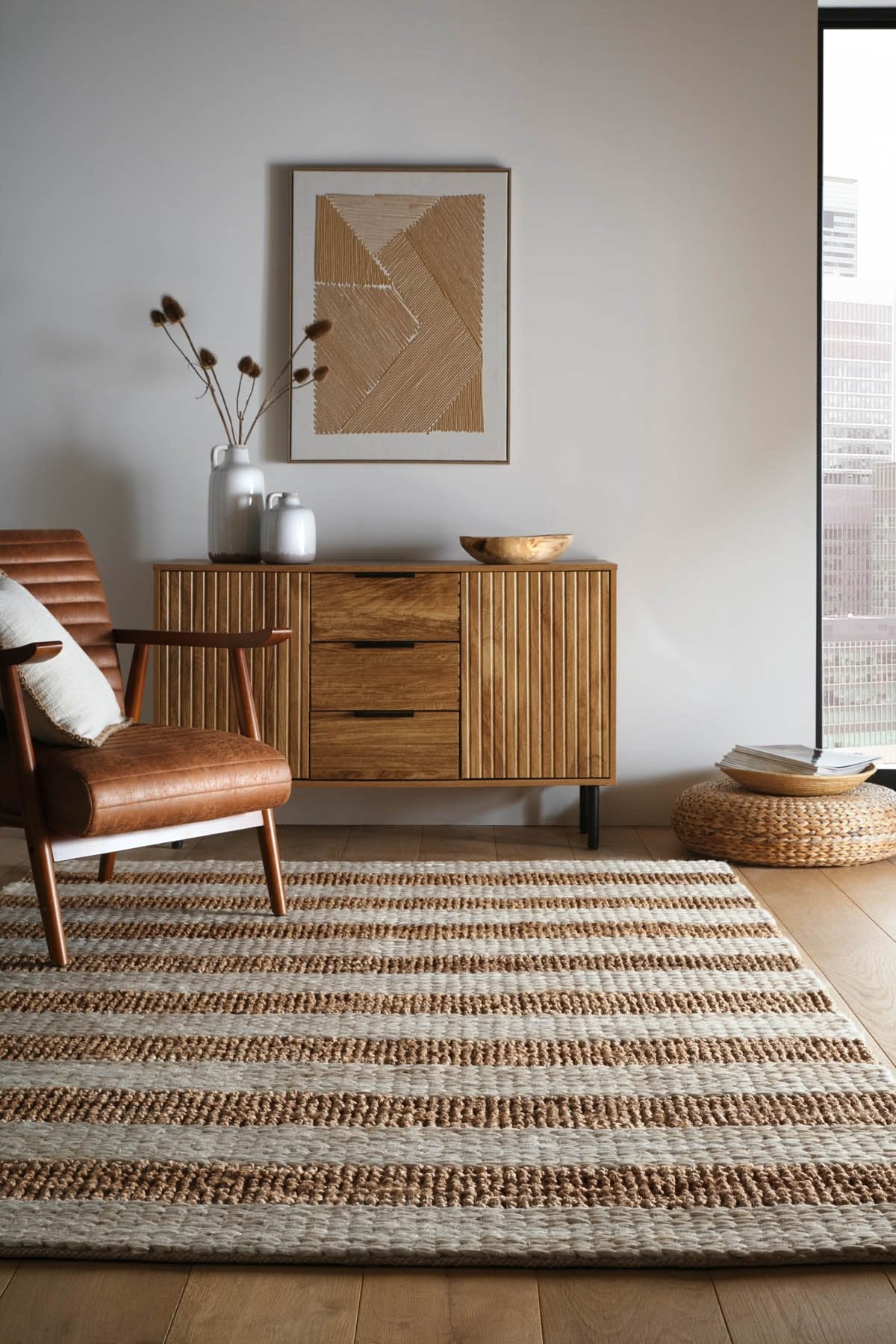
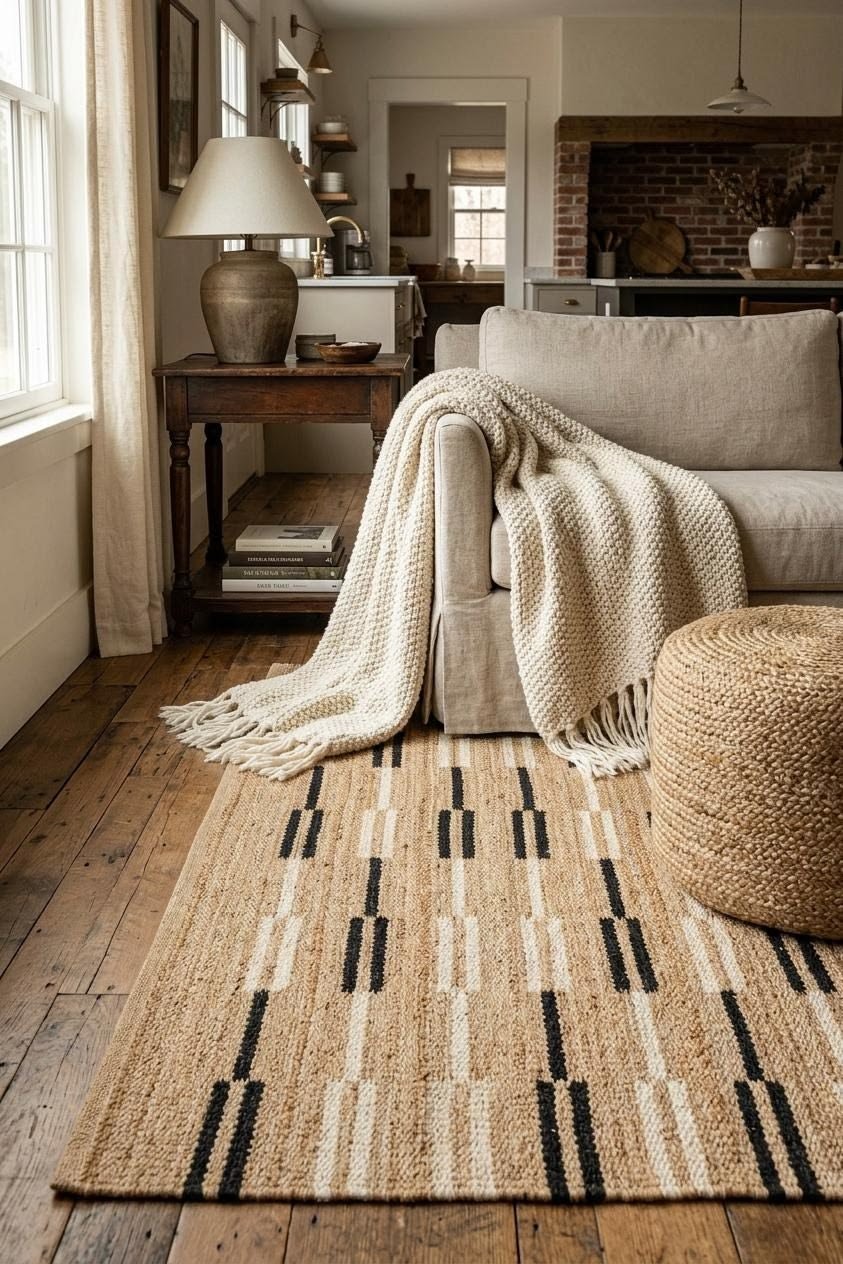
Jute and cotton rugs can work in homes with pets, but they are not the best choice for animals that frequently scratch, pull at rug fibres, or have indoor accidents. Their natural woven texture can be comfortable for pets, but jute fibres are sensitive to moisture, and loose loops may catch on claws.
Consider the following factors before placing a jute and cotton rug in a pet-friendly home:
- Claw Snagging: Cats and dogs may catch their claws in loose woven loops, potentially pulling threads or damaging the rug’s surface.
- Pet Hair: Hair and dander can become trapped between woven fibres, making regular vacuuming important.
- Accidental Spills: Pet accidents can be difficult to remove completely because jute absorbs moisture and may develop stains or lingering odours.
- Foot Traffic: Active pets running repeatedly across the same area can increase friction and cause faster wear.
- Weave Construction: A tightly woven, low-profile rug generally provides fewer exposed loops for claws to catch than a loosely woven design.
- Rug Stability: A suitable non-slip rug pad can help prevent movement when pets walk or play across the surface.
Are Jute and Cotton Blend Rugs Soft?
Yes, jute and cotton blend rugs are generally softer than many traditional coarse natural-fibre rugs because cotton adds flexibility and comfort to the woven surface. However, they are not usually as plush as thick wool or high-pile rugs. Jute contributes a slightly firm, textured feel, while cotton helps soften the overall construction. This combination creates a surface that can feel comfortable underfoot without losing its natural woven character.
The exact softness depends on the ratio of cotton to jute, yarn thickness, and weaving technique. A rug containing more cotton may feel softer and more flexible, while a jute-heavy design may have a firmer texture. For bedrooms, living rooms, and relaxed seating areas, a finely woven jute and cotton rug can provide a comfortable balance between natural texture and everyday practicality.
Can You Vacuum a Jute and Cotton Rug?
Yes, you can vacuum a jute and cotton rug, and regular gentle vacuuming is one of the best ways to maintain its appearance and durability. Removing loose dirt prevents particles from becoming embedded in the weave and creating unnecessary friction against the fibres.
For safe vacuuming, follow these steps:
- Use Gentle Suction: Select a low or moderate suction setting to remove dirt without pulling at the woven surface.
- Turn Off the Beater Brush: Avoid aggressive rotating brushes that may catch loose threads or damage the natural fibres.
- Vacuum Regularly: Clean the rug according to household traffic and the amount of dust or pet hair it collects.
- Follow the Weave: Move the vacuum gently across the surface instead of repeatedly rubbing the same section.
- Clean Underneath: Occasionally lift the rug and remove any dust or debris that has collected beneath it.
- Treat Loose Threads Carefully: If a small fibre becomes loose, trim it carefully rather than pulling it out of the weave.
Do Jute and Cotton Rugs Shed?
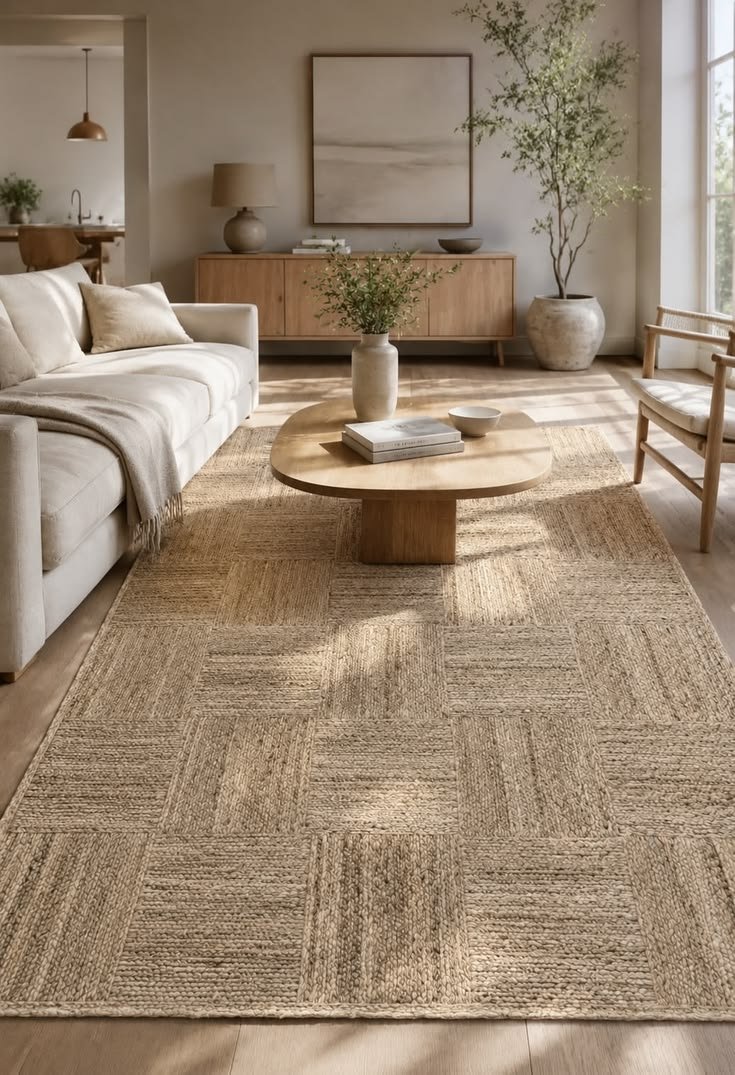
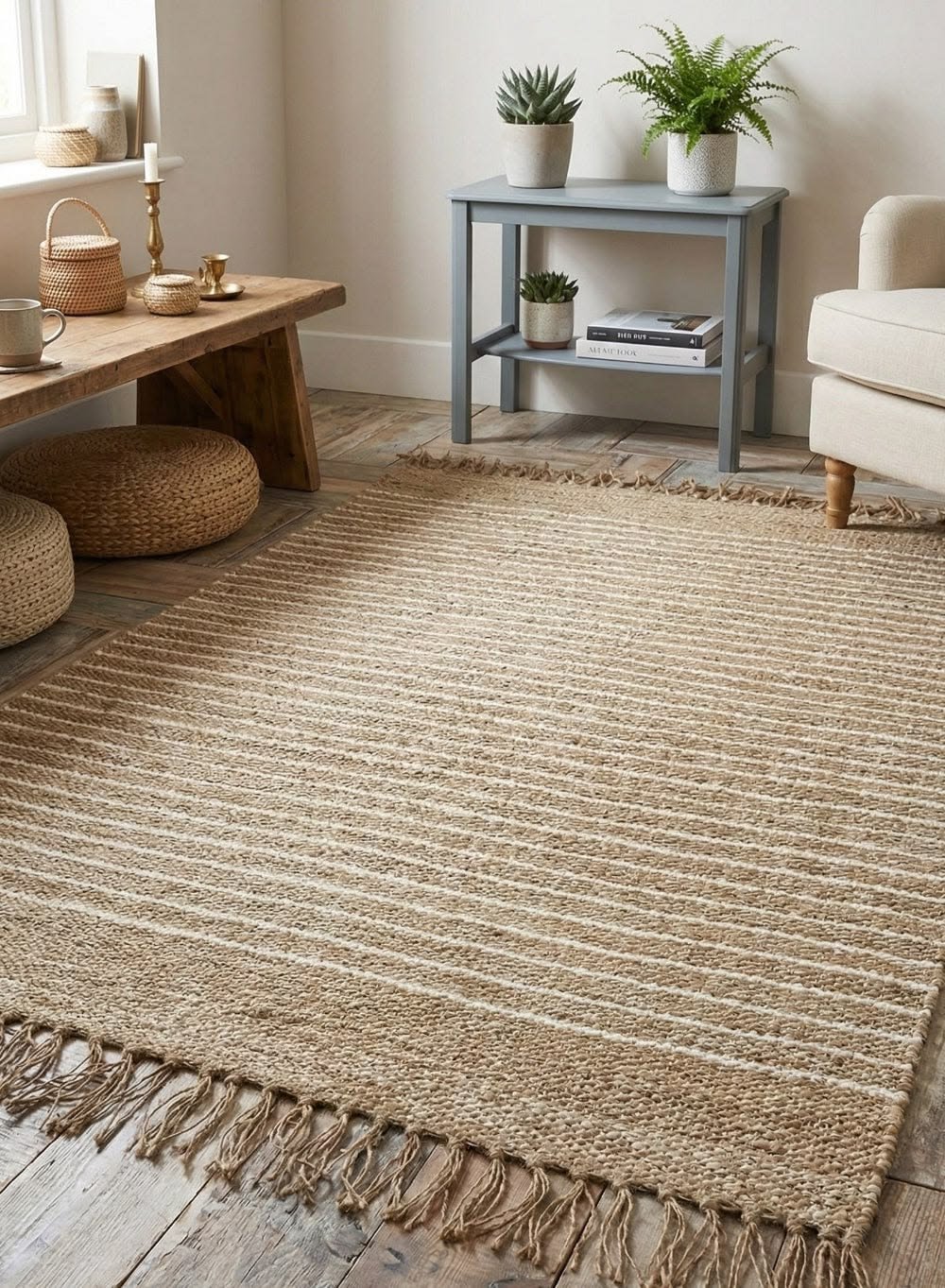
Yes, jute and cotton rugs can shed small amounts of loose fibre, particularly when they are new. This is generally a normal characteristic of natural woven materials and does not automatically mean the rug is poor quality. During manufacturing, small fibre fragments may remain trapped in the yarn or weave. As the rug is walked on, moved, or vacuumed, some of these loose particles can gradually work their way to the surface. The amount of shedding depends on the fibre quality, weave density, yarn construction, and frequency of use. Tightly woven rugs may release fewer loose fibres than chunky or loosely constructed designs.
Can Jute and Cotton Rugs Get Wet?
Jute and cotton rugs should not be exposed to excessive moisture or left wet for long periods. Although cotton can tolerate moisture better than jute in some applications, the jute fibres within the blend are highly absorbent and may become discoloured, weakened, or distorted when soaked. Small accidental spills do not necessarily ruin the rug, but they should be treated immediately to prevent moisture from spreading through the weave.
What Should You Do if Your Jute and Cotton Rug Gets Wet?
- Blot the Liquid Immediately: Use a clean, dry cloth to absorb as much moisture as possible without rubbing the affected area.
- Avoid Soaking the Rug: Do not pour large amounts of water or cleaning solution directly onto the surface.
- Spot Clean Carefully: If necessary, use a small amount of cleaner suitable for natural fibres and test it on a hidden area first.
- Improve Air Circulation: Allow fresh air to circulate around the affected area to support faster drying.
- Dry Both Sides Completely: If moisture has reached the underside, ensure the entire rug dries before placing it back on the floor.
- Avoid Steam Cleaning: High moisture and heat can affect the natural fibres, particularly the jute component.
- Keep Away From Damp Areas: Bathrooms, wet entryways, and other consistently humid spaces are generally unsuitable for these rugs.
Wrap Up
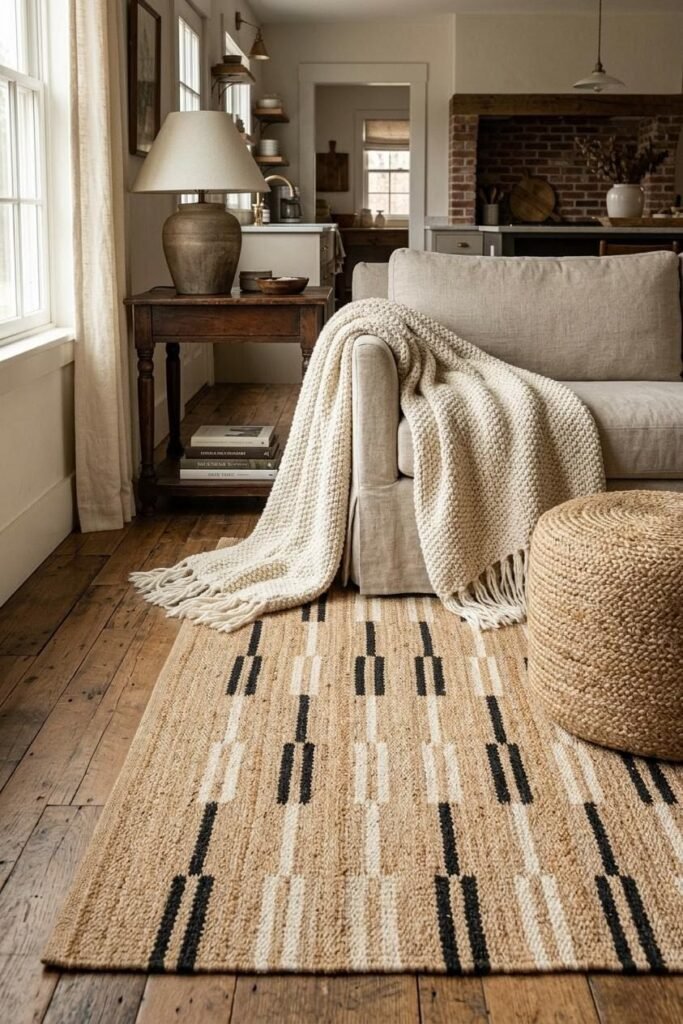
Jute And Cotton Rugs
Style your space with hemp and jute rugs that bring together earthy texture, durable fibres, and a warm natural look.

White and natural cotton jute rug
Price range: $165.90 through $1,516.90- -8% OFF
Lattice cotton jute rug with charcoal dots
Price range: $249.23 through $2,333.03 Rainbow jute rag runner rug
Price range: $67.90 through $1,035.90
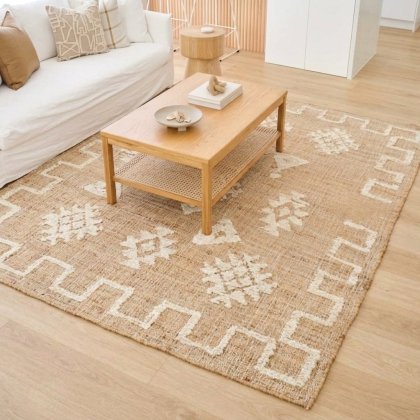
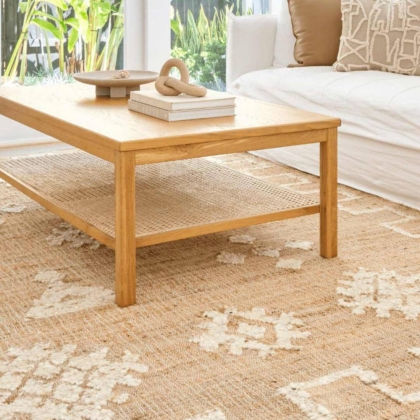
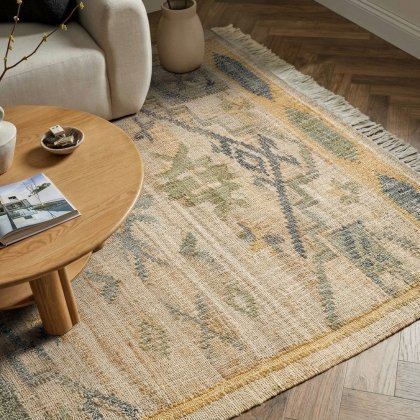

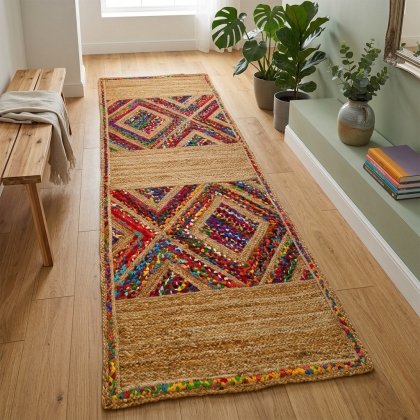

Jute and cotton rugs are durable enough for many everyday living spaces when they are properly maintained and protected from excessive moisture and heavy wear. Their combination of structured jute fibres and softer cotton creates a comfortable, naturally textured surface suitable for bedrooms, living rooms, and other low-to-moderate traffic areas. Choosing a tightly woven rug, vacuuming gently, rotating it occasionally, and treating spills promptly can help preserve its appearance and extend its lifespan. Explore our collection of jute area rugs, along with round rugs, runner rugs, wool jute rugs, hemp and jute rugs, and other handcrafted designs to add natural warmth and character to your home.


