
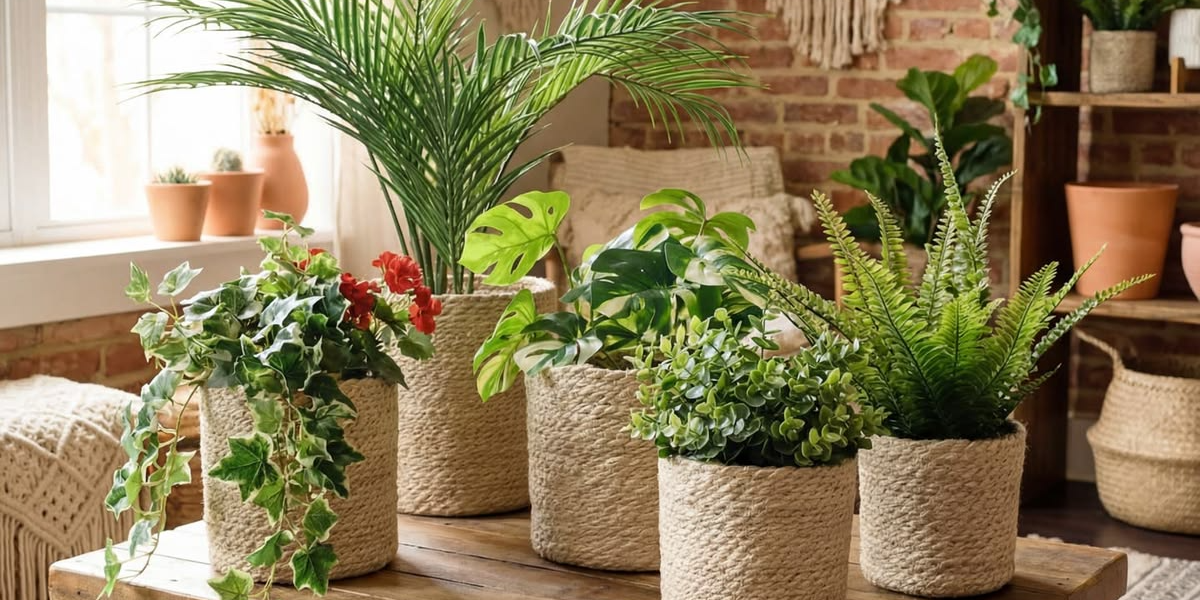
Indoor plants can make a room feel fresher and more inviting, but ordinary plastic nursery pots don’t always complement your decor. That’s where jute baskets come in. Their natural woven texture adds warmth and character while providing a decorative way to display greenery. You can use a jute basket as a planter, but it’s best to place a separate plant pot inside rather than plant directly into the basket. Since jute is a natural fibre that absorbs moisture, proper drainage and water protection are important for keeping the basket in good condition. From choosing the right size to protecting the fibres during watering, here’s how to use jute plant baskets safely and effectively.
What Is a Jute Basket Planter?
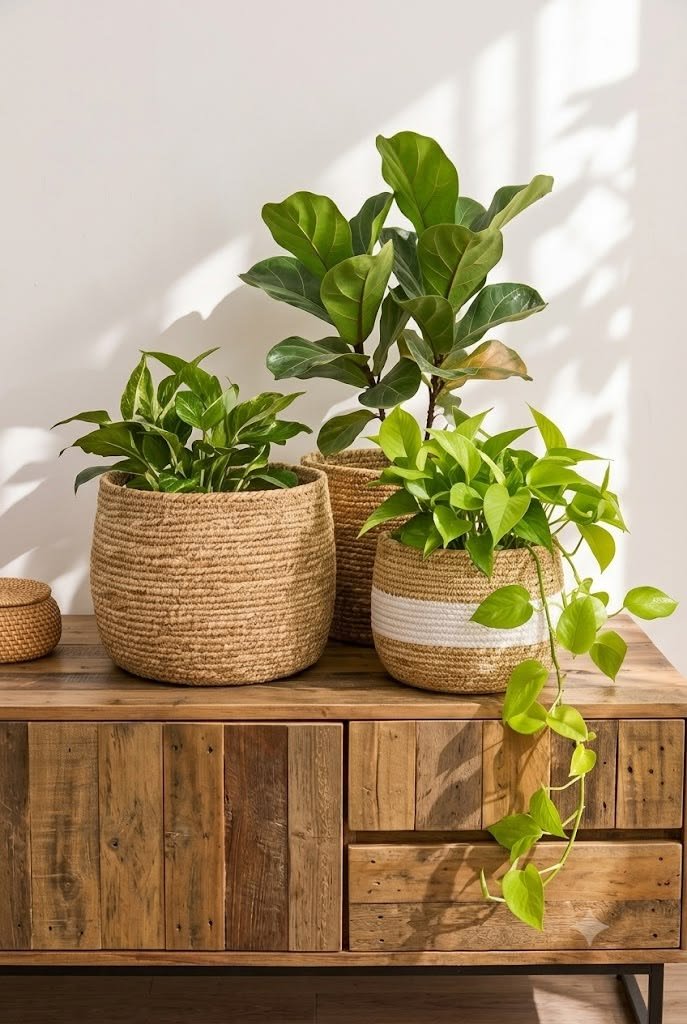
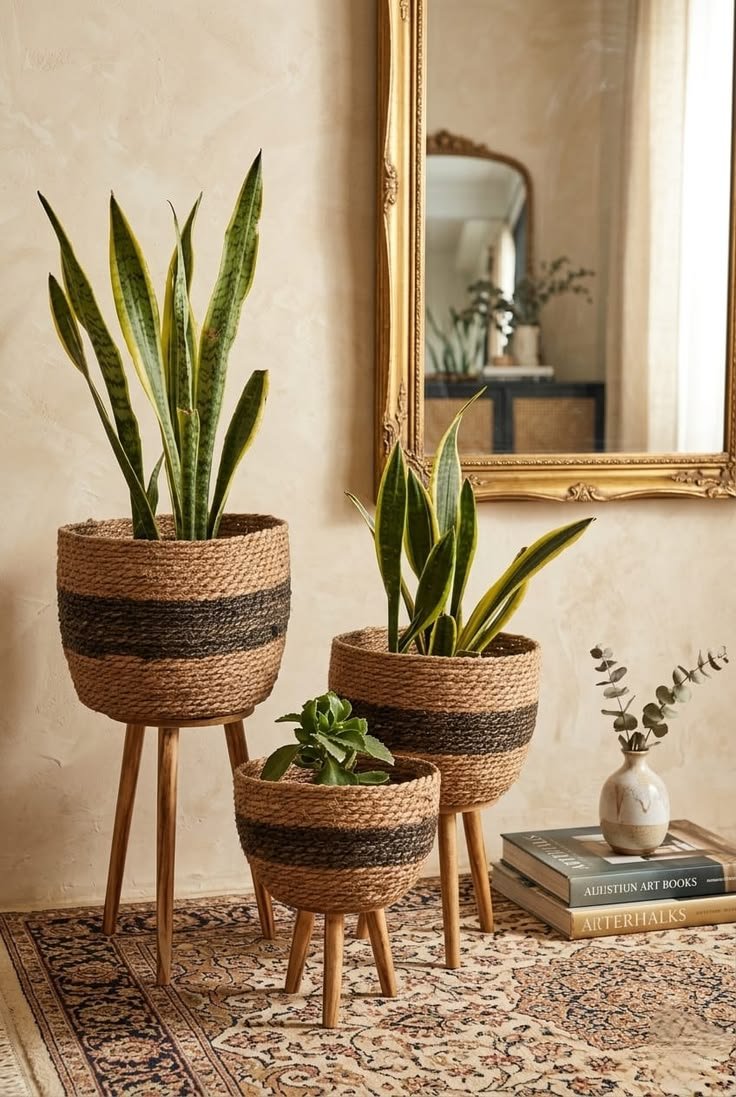
A jute basket planter is a decorative woven basket made from jute fibres and used to hold or conceal an indoor plant pot. Unlike traditional ceramic, plastic, or terracotta planters, it is primarily designed to enhance the appearance of a plant display rather than serve as a container for soil and water.
Jute comes from the stems of the jute plant and is known for its strong, textured fibres. These fibres can be woven, braided, or crocheted into baskets of different shapes and sizes. Their natural appearance complements houseplants, wooden furniture, and a variety of interior styles — something designers use handmade pieces to make rooms feel more authentic and lived-in.
What Are the Benefits of Using Jute Baskets for Plants?
Jute plant baskets combine natural texture with practical decorating benefits. They offer a simple way to improve the appearance of indoor plants without replacing their existing nursery pots.
Here are some of the main benefits:
- Natural and Decorative Appearance: Jute fibres have a warm, earthy texture that complements the green foliage of indoor plants. These baskets look particularly attractive alongside wooden furniture, neutral walls, and natural decorative accessories.
- Lightweight Construction: Many woven jute baskets are relatively lightweight compared with ceramic or stone planters. This makes them convenient for rearranging plant displays, although the weight of the plant and its pot still needs to be considered.
- Different Shapes and Designs: Jute baskets are available in round, cylindrical, hanging, and decorative styles. Their variety makes it easier to find a suitable design for small houseplants, floor plants, or hanging arrangements.
- Versatile Indoor Styling: These baskets complement bohemian, rustic, coastal, and contemporary interiors. You can use them beside a sofa, near a window, on a plant stand, or in a bedroom to introduce natural texture.
- Conceals Plastic Nursery Pots: Instead of transferring a plant into a decorative ceramic planter, you can simply place its existing pot inside a jute basket. This keeps the plant’s drainage system intact while improving its appearance.
- Suitable for Hanging Plant Displays: Certain baskets are designed to suspend plants above the floor, making them useful for smaller rooms. The Hanging jute rope basket plant pot features natural jute construction and a water-resistant lining, offering a decorative option for displaying greenery in suitable indoor spaces.
- Multiple Decorative Uses: Depending on their construction, jute baskets can also hold small household accessories or decorative items when they are not being used for plants.
How Do You Use a Jute Basket as a Planter?
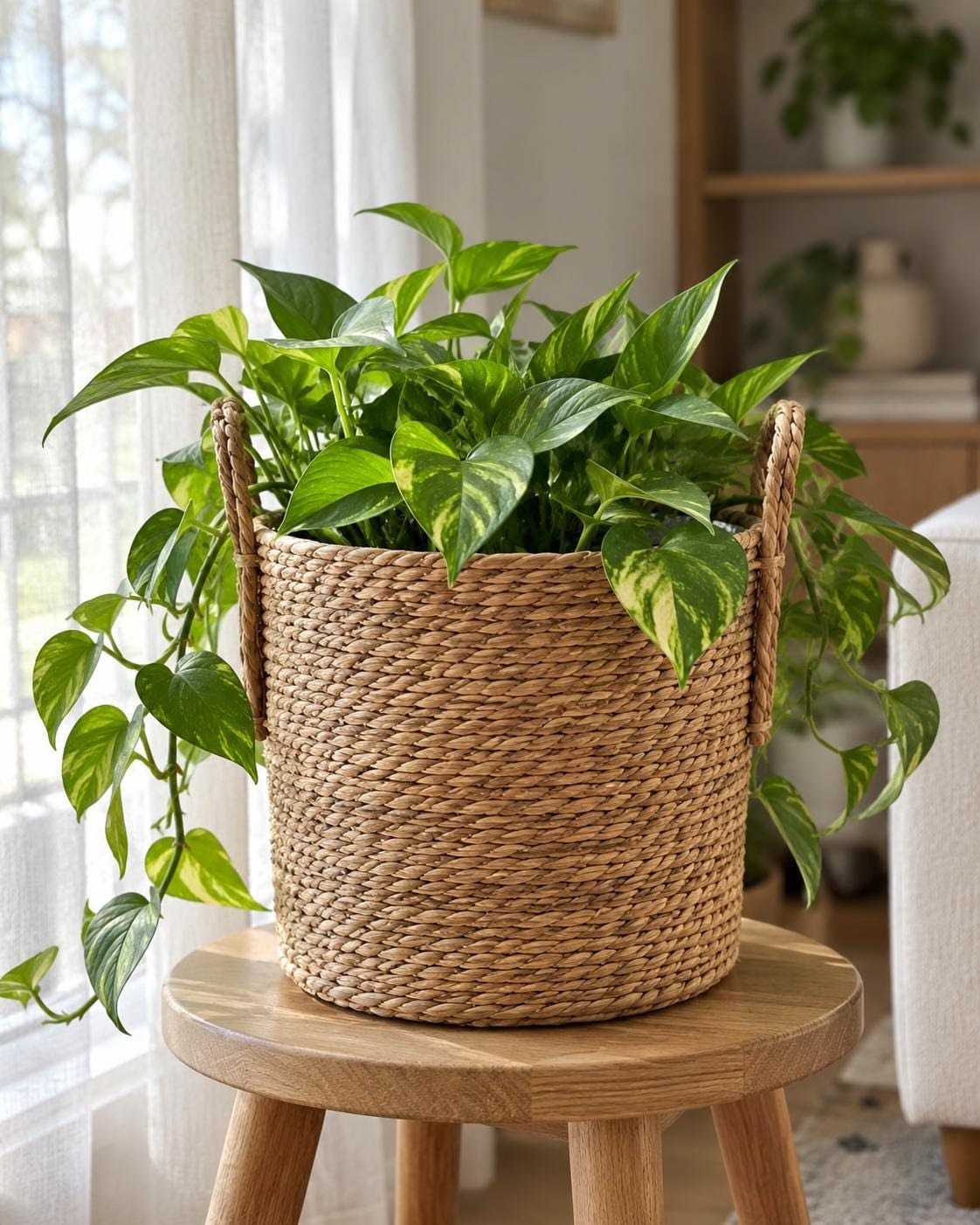
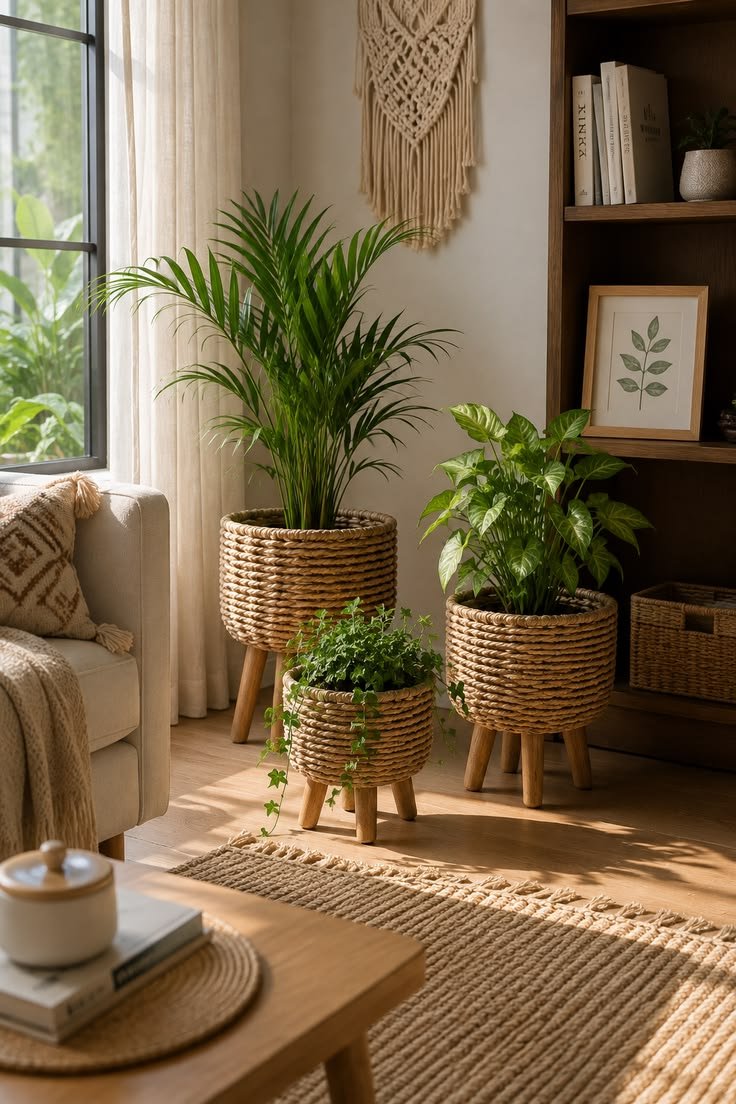
The best way to use a jute basket as a planter is to place a potted plant inside it while keeping excess water away from the natural fibres. You don’t need to remove the plant from its nursery pot or fill the basket with soil. Follow these steps to set up your jute basket planter:
- Choose a Suitable Jute Basket: Select a basket that is wide and deep enough to accommodate your plant’s existing pot. Make sure it sits securely without squeezing the container or bending the basket out of shape.
- Keep the Plant in Its Nursery Pot: Use a separate plastic, ceramic, or terracotta pot with drainage holes. This allows excess water to escape after watering and reduces the risk of waterlogged soil.
- Add a Protective Saucer or Liner: Place a waterproof saucer beneath the nursery pot or use a basket with a suitable protective lining. The aim is to prevent water from soaking into the jute fibres.
- Place the Pot Inside the Basket: Position the plant carefully so its weight is evenly supported and the basket remains stable. If you’re using a hanging basket, make sure the hanging system and its support are rated for the combined weight of the plant, pot, and wet soil.
- Water the Plant Carefully: Remove the nursery pot before watering whenever possible. Let excess water drain completely before returning it to the jute basket.
- Check for Trapped Moisture: Occasionally inspect the basket’s base and lining for standing water, condensation, or dampness. Empty collected water promptly and allow any affected surfaces to dry
Can You Plant Directly Into a Jute Basket?
No, planting directly into an ordinary jute basket is not recommended because the natural fibres are not designed for continuous contact with damp soil and water. Unlike conventional plant pots, most woven jute baskets do not provide the moisture protection or drainage needed for healthy plant growth.
Why Should You Avoid Planting Directly Into a Jute Basket?
Planting directly into a jute basket can damage its natural fibres and affect plant health. Unlike traditional plant pots, most jute baskets are designed for decorative use rather than holding damp soil — and if you are wondering whether a jute basket be washed after moisture exposure, the answer depends on its construction. Here are the main reasons to avoid direct planting:
- Moisture Absorption: Jute fibres absorb water easily. Constant exposure to damp soil can weaken the fibres and cause discolouration.
- Lack of Proper Drainage: Most jute baskets do not have drainage systems. Excess water may collect inside lined baskets, increasing the risk of root rot.
- Mould and Mildew Growth: Prolonged moisture can encourage mould and mildew, potentially causing unpleasant odours and damaging the basket.
- Soil Leakage: Unlined jute baskets may have small gaps in their weave, allowing soil and water to escape onto surrounding surfaces.
- Loss of Shape: Repeated watering and the weight of wet soil can cause some woven baskets to stretch, sag, or lose their original shape.
Are Jute Plant Baskets Waterproof?
No, jute fibres are not naturally waterproof. However, some jute plant baskets include waterproof liners that help protect the woven material from accidental spills and moisture. Jute readily absorbs water, so repeated exposure can affect its appearance and structure. A protective liner creates a barrier between the plant pot and the woven basket, helping reduce direct contact with moisture. For example, the Rust and navy jute basket for plant is a hand-crocheted design featuring a waterproof PVC liner. This added protection makes it suitable for displaying potted houseplants while helping keep moisture away from the jute exterior.
How Do You Choose the Right Jute Basket for Indoor Plants?
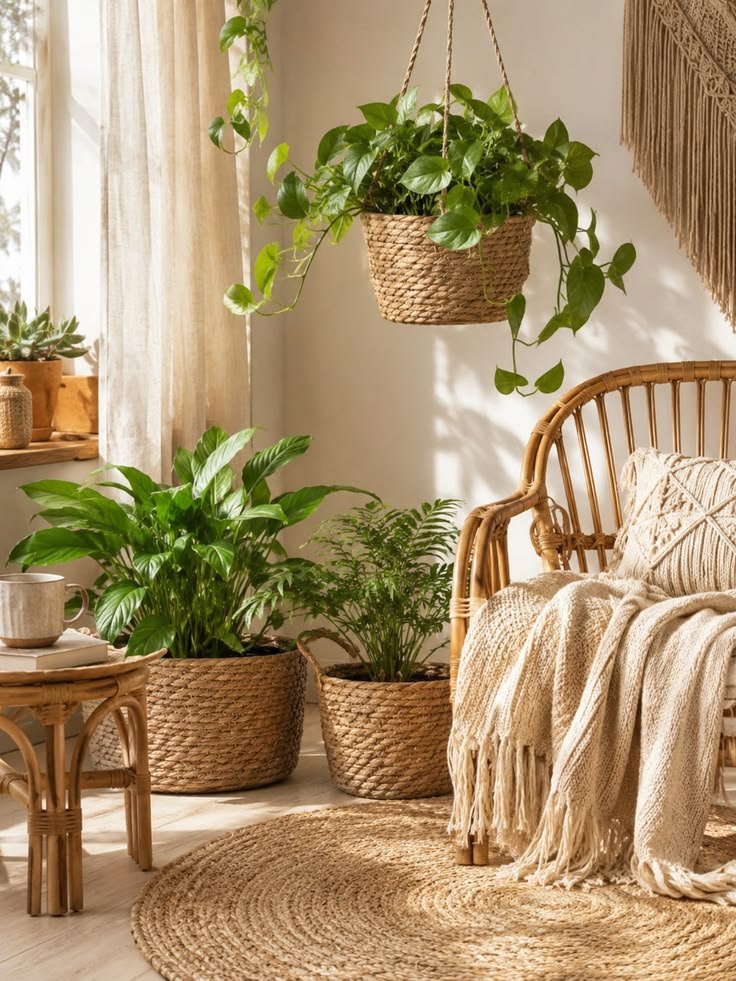
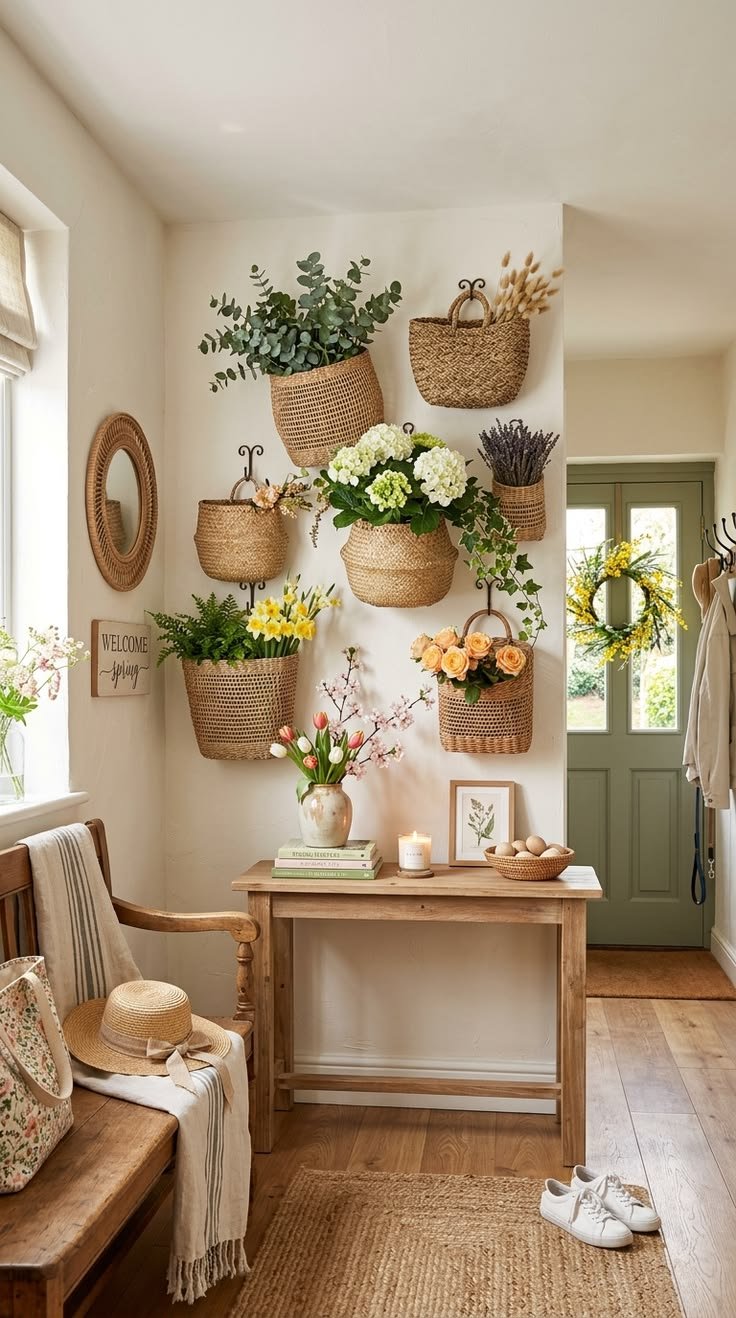
Choosing the right jute basket involves more than selecting an attractive colour or pattern. You should also consider the plant’s size, weight, watering needs, and where you plan to display it. The following factors can help you find a suitable basket:
- Check the Basket’s Dimensions: Measure your existing nursery pot before buying. The basket should have enough room for the pot and any protective saucer without becoming overly large or unstable.
- Look for Moisture Protection: Choose a lined basket or plan to use a waterproof insert. This is especially important for plants that need frequent watering.
- Consider the Shape and Stability: A basket with a broad, stable base is generally better for larger floor plants. Narrow or lightweight baskets may be less suitable for tall plants with heavy foliage.
- Choose the Right Construction: When comparing jute vs. cotton rope baskets, jute tends to hold its shape better for plant use; look for a tightly woven or crocheted design that can support the intended contents without excessive stretching or distortion. Keep in mind that decorative baskets vary in strength.
- Match the Design to Your Interior: Neutral jute baskets complement minimalist and Scandinavian spaces, while colourful stripes, geometric patterns, and decorative weaving can add character to bohemian interiors.
- Think About Placement: Floor baskets work well beside sofas or in unused corners, while smaller baskets can suit shelves or plant stands. Hanging designs can save floor space, but they require a secure attachment and suitable weight capacity.
- Consider Maintenance: A basket that’s easy to remove from around the nursery pot makes watering, cleaning, and checking for moisture much simpler.
What Size Jute Basket Do You Need for a Plant Pot?
Choose a jute basket that is 1–2 inches (2.5–5 cm) wider than your plant pot. For example, a 6-inch plant pot fits best in a 7–8-inch jute basket, while an 8-inch pot needs a 9–10-inch basket. A 10-inch pot generally fits in an 11–12-inch basket. The basket should also be deep enough to hold the pot securely without covering the plant’s lower leaves. Measure the pot’s diameter and height before buying, and leave enough room for a protective saucer if needed — the same sizing logic used in a jute placemat size guide applies here: measure first, then buy.
Can You Use Jute Plant Baskets Outdoors?
Yes, some jute plant baskets can be used outdoors, but they are best placed in sheltered areas rather than exposed directly to rain and prolonged dampness. Natural jute fibres absorb moisture, and repeated exposure to wet conditions can shorten the basket’s lifespan. A covered balcony, sheltered patio, or protected porch may be suitable for a jute basket planter, particularly if it has a waterproof lining. However, even lined baskets should not be left standing in water or exposed to continuous rainfall.
Wrap Up
Jute Baskets
Style your space with handcrafted jute baskets that combine natural texture, practical storage, and a warm, earthy look.
- -8% OFF

Colored jute stripe basket for plant
Price range: $32.11 through $90.99 Turquoise stripe jute basket
Price range: $52.90 through $96.90Yellow and grey jute basket
Price range: $52.90 through $97.90
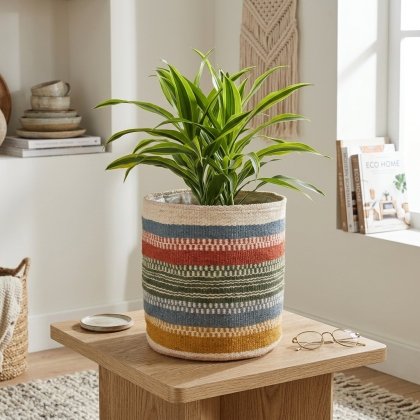

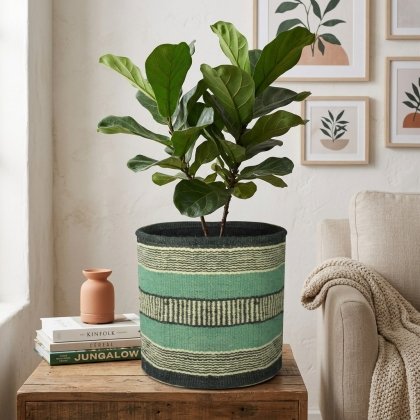

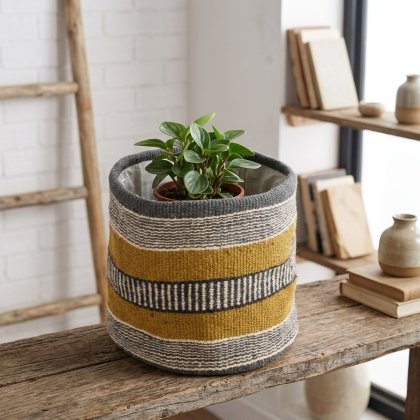

Jute baskets are a beautiful and practical way to display indoor plants while adding natural texture to your home. However, it’s best to use them as decorative covers rather than planting directly into the woven fibres. Choosing the right size, using a separate nursery pot, and protecting the basket from excess moisture can help keep both your plants and baskets in good condition. At Jute Land, we offer a variety of handcrafted jute products to complement your living spaces. Explore our collection of jute plant baskets, storage baskets, jute rugs, ottomans, and other natural home accessories to bring warmth and character to your home.
