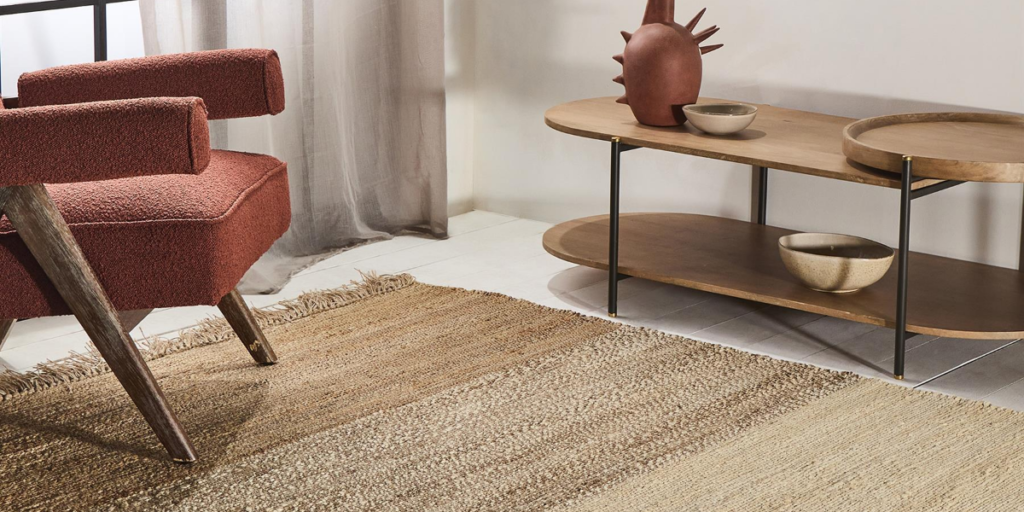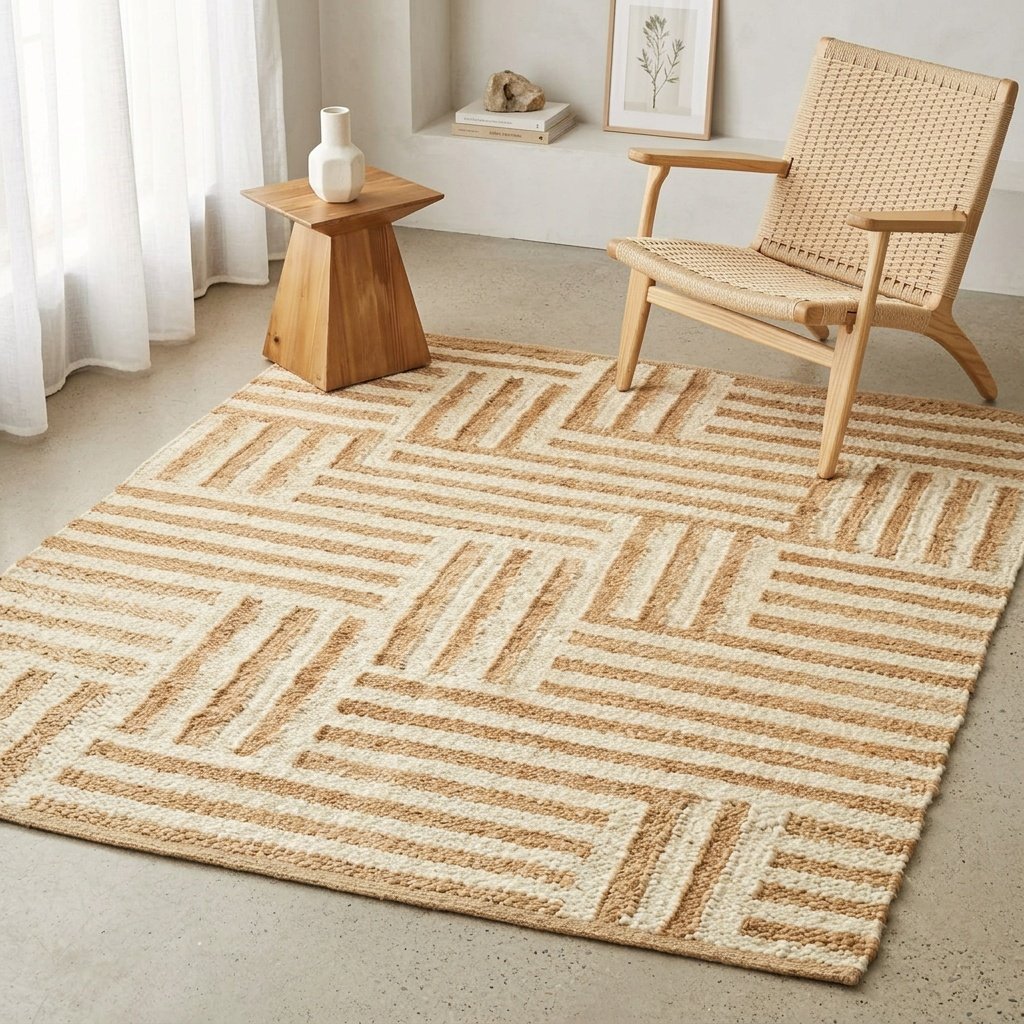
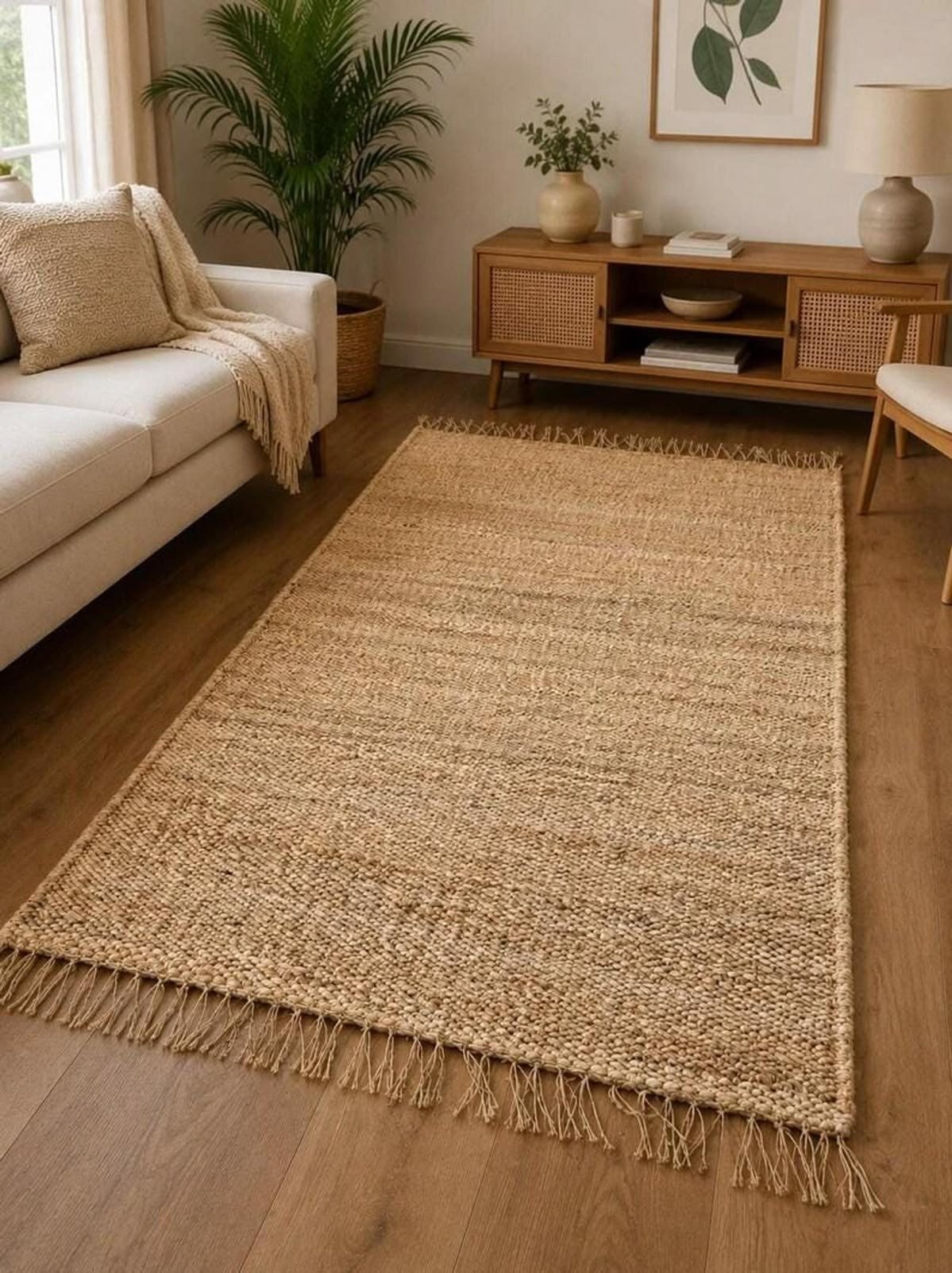
Jute and hemp rugs are both made from natural plant fibres, but they do not feel or perform exactly the same in the home. Jute rugs are generally softer and have a warmer, more relaxed texture, while hemp rugs are usually stronger, firmer, and better suited to heavier everyday wear. Their differences also affect where they work best and how they should be maintained. A jute rug can be a great choice when comfort and natural texture matter most, while hemp may suit spaces where durability is the main priority. Understanding their texture, strength, traffic tolerance, and cleaning needs makes it much easier to decide which natural fibre rug fits your room and lifestyle.
What Is the Difference Between a Jute Rug and a Hemp Rug?
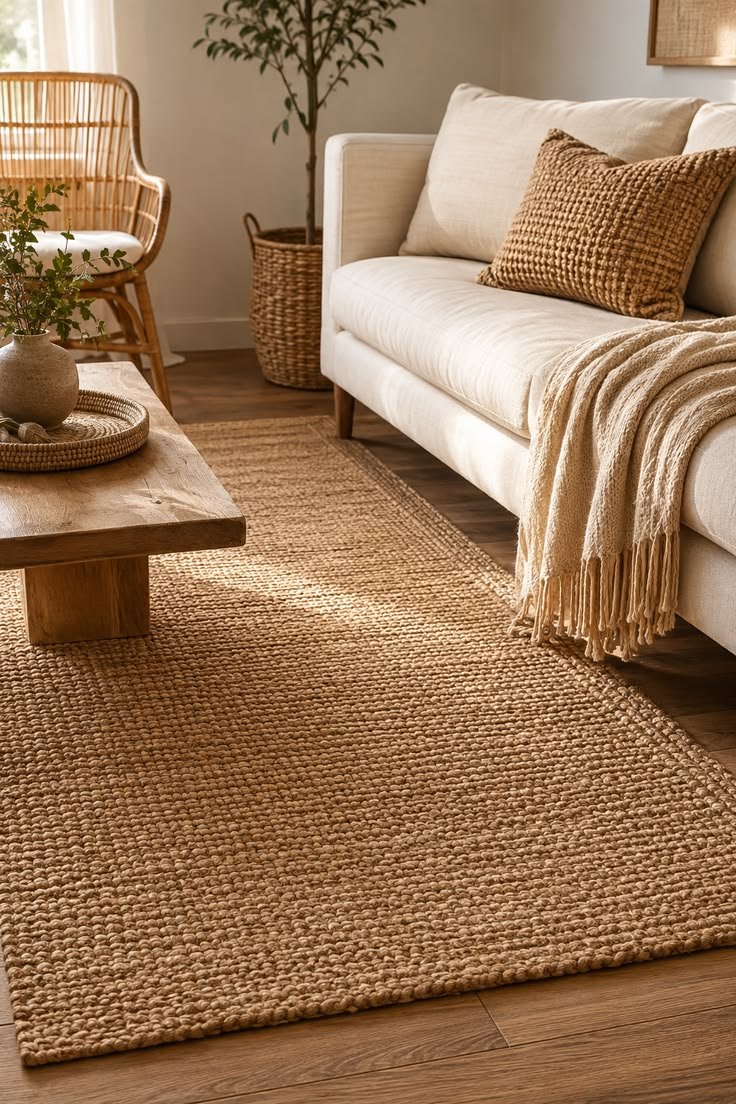
| Characteristic | Jute Rug | Hemp Rug |
|---|---|---|
| Fibre Source | Made from fibres taken from the stalk of the jute plant | Made from fibres taken from the stalk of the hemp plant |
| Texture | Softer and more flexible | Firmer and more structured |
| Feel Underfoot | Generally softer and more comfortable | More textured and slightly coarser |
| Strength | Strong enough for normal household use | Naturally stronger fibre |
| Durability | Good in suitable low-to-moderate traffic spaces | Better resistance to repeated wear |
| High-Traffic Performance | Can work when tightly woven, but may wear faster under constant heavy traffic | Generally better suited to frequent foot traffic |
| Flexibility | More flexible | Firmer and more rigid |
| Appearance | Warm, soft and earthy | Natural, textured and slightly more rugged |
| Natural Colour | Usually golden, tan, beige or light brown | Commonly earthy beige, brown or muted natural shades |
| Softness | Softer of the two fibres | Less soft but more substantial |
| Wear Resistance | Can flatten or fray sooner in heavily used areas | Better able to withstand regular use |
| Moisture Sensitivity | Highly absorbent and should be kept dry | Also a natural fibre and should not remain damp |
| Cleaning | Best with vacuuming and careful spot cleaning | Best with vacuuming and controlled spot cleaning |
| Best Traffic Level | Low to moderate; tightly woven designs can handle busier dry spaces | Moderate to high |
| Best Rooms | Bedrooms, living rooms and relaxed seating spaces | Living rooms, dining rooms, hallways and other frequently used areas |
| Comfort | Better when softness is a priority | Better when durability takes priority |
| Style | Bohemian, coastal, rustic, minimalist and natural interiors | Rustic, organic, contemporary and natural interiors |
| Best For | Soft texture and relaxed appearance | Strength and frequent everyday use |
Is Hemp Better Than Jute?
Hemp is better than jute when strength and durability are the main priorities, but jute is better when you want a softer feel underfoot. Hemp fibres are naturally stronger and generally cope better with repeated friction and regular foot traffic. That makes hemp a practical option for busier parts of the home. Jute has a softer and more flexible fibre, giving jute rugs the comfortable texture that makes them popular in bedrooms, living rooms, and relaxed seating areas. For example, the Black diamond hemp jute rug combines hemp and jute in one design, making it a useful option when you want natural texture together with the added strength associated with hemp.
Which Is Softer: Jute or Hemp Rugs?
Jute rugs are generally softer than hemp rugs. Jute fibres are naturally more flexible, producing a surface that tends to feel warmer and more comfortable underfoot. This softer texture makes jute particularly suitable for bedrooms, living rooms, and other areas where comfort is important. It can also create a more relaxed appearance than some harder natural fibres. Hemp feels firmer and slightly rougher because its fibres are stronger and more rigid. While it may not offer the same softness as jute, that firmer structure contributes to its durability.
Which Is More Durable: Hemp or Jute Rug?
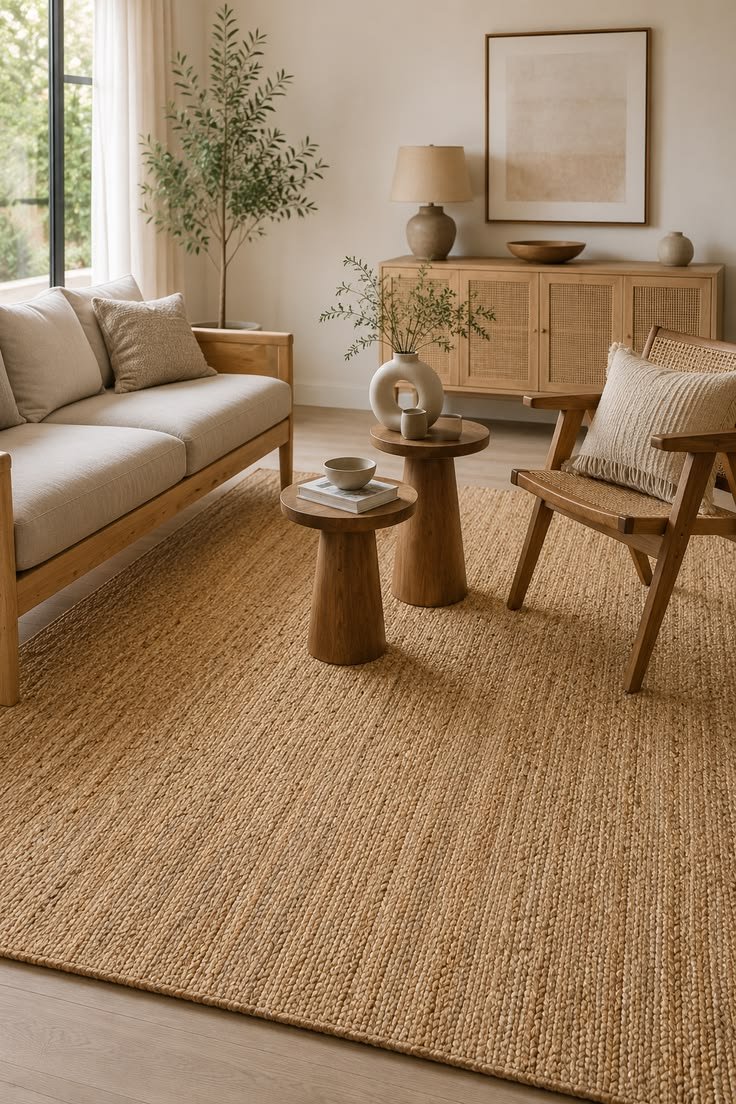
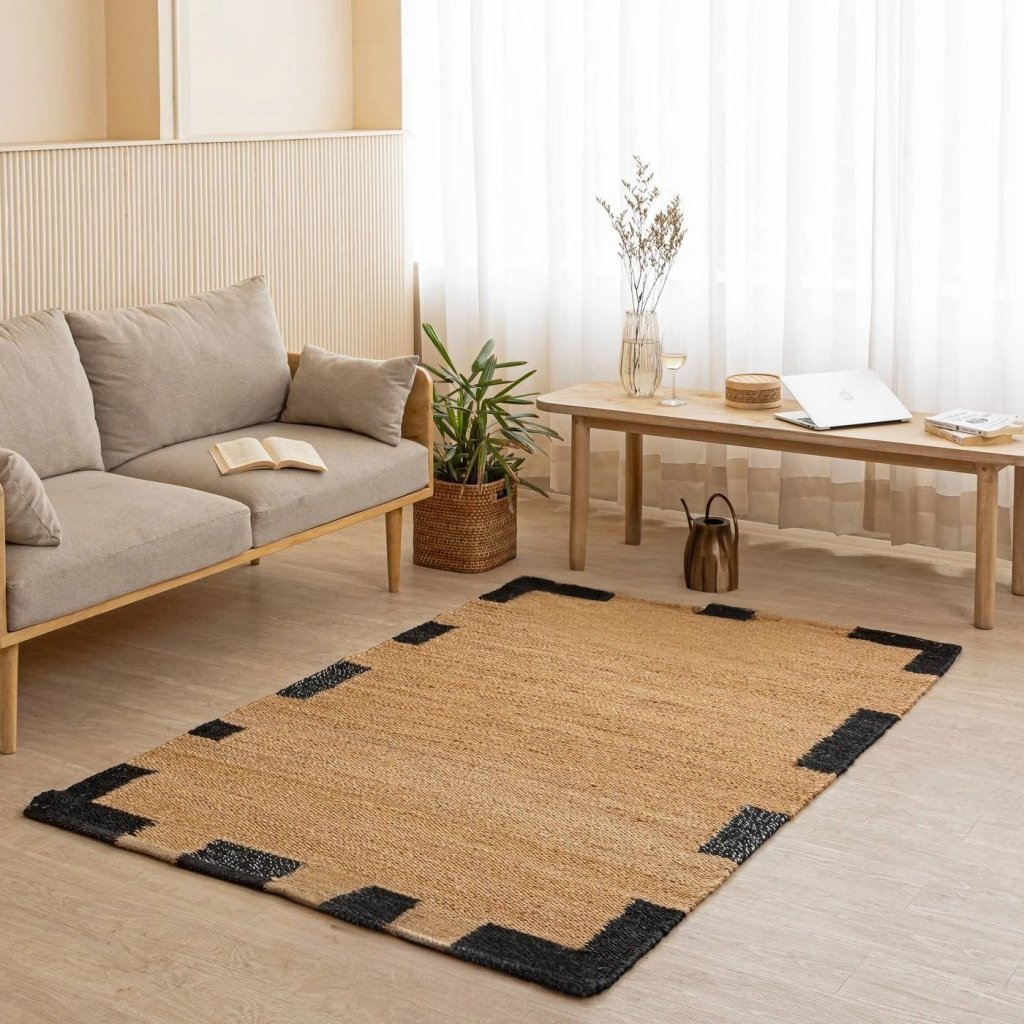
Hemp is generally more durable than jute. Hemp fibres have greater natural strength and resistance to repeated wear, making hemp rugs particularly useful when a floor covering needs to cope with frequent everyday use. Jute is also a durable plant fibre, but it is softer. Continuous friction, heavy foot traffic, moisture, and dirt can therefore cause jute fibres to flatten or wear more quickly than hemp. Construction is important too. A densely woven jute rug can perform very well in a busy household, while a loosely constructed rug of either material may show wear sooner. Rug placement, cleaning, moisture exposure, and how frequently the rug is rotated also affect its lifespan.
Are Jute Rugs Good for High-Traffic Areas?
No, standard jute rugs are not ideal for heavy, high-traffic areas. Jute fibres are naturally softer and more prone to wear when exposed to constant footfall, which means busy hallways, entrances, and frequently used walkways can cause the surface to flatten or fray more quickly. They are better suited to low-to-moderate traffic areas such as bedrooms, living rooms, home offices, and quieter dining spaces. A tightly woven construction can improve durability, but jute still performs best where traffic is controlled and the rug is kept dry. Regular gentle vacuuming, occasional rotation, and a rug pad can help reduce friction and extend the rug’s lifespan. For areas with continuous heavy use, a stronger material such as hemp or a hemp-jute blend is generally the more practical option.
Are Hemp Rugs Good for High-Traffic Areas?
Yes, hemp rugs are well suited to high-traffic areas because hemp is a strong and resilient natural fibre. The strength of hemp makes it particularly useful in living rooms, dining rooms, hallways, offices, and other spaces that experience regular foot traffic. Its firmer fibres are generally more resistant to repeated abrasion than softer jute. However, durability does not mean a hemp rug requires no maintenance. Dirt and grit can gradually wear any natural fibre, so routine vacuuming is still important. Rotating the rug also helps distribute wear evenly across the surface. Hemp rugs should also be kept from remaining damp for extended periods. Natural fibres can be affected by trapped moisture, so spills should be treated promptly and the rug should be allowed to dry completely.
Jute vs Hemp Rug: Which Should You Choose?
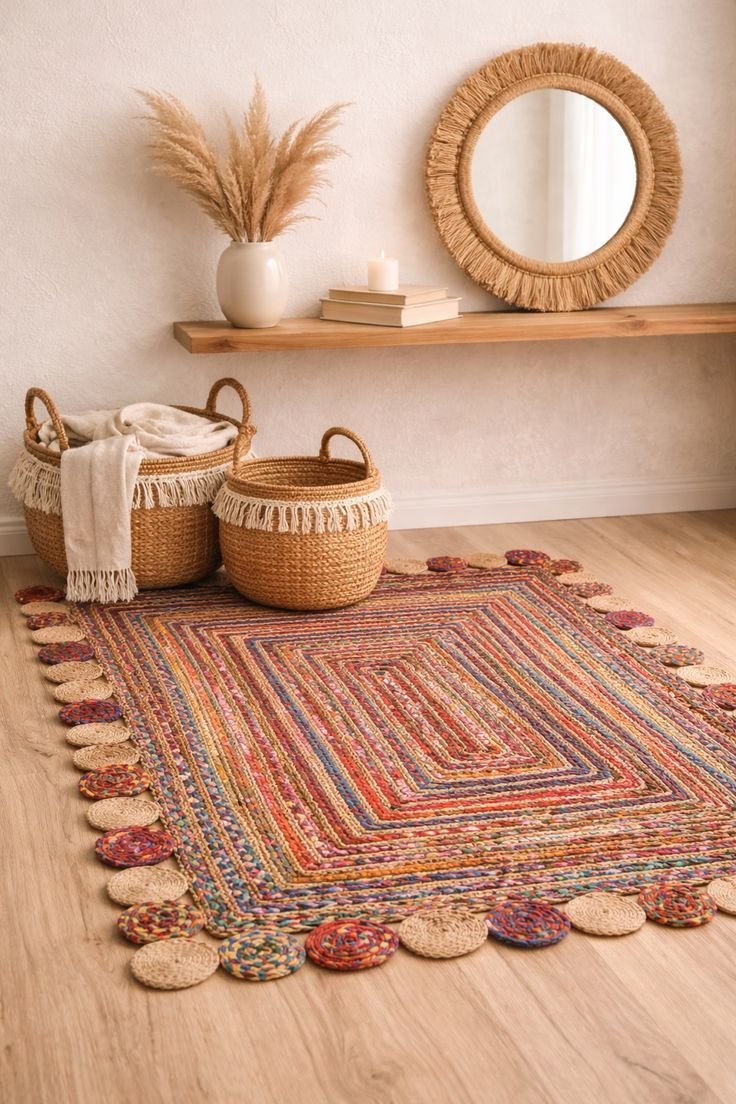
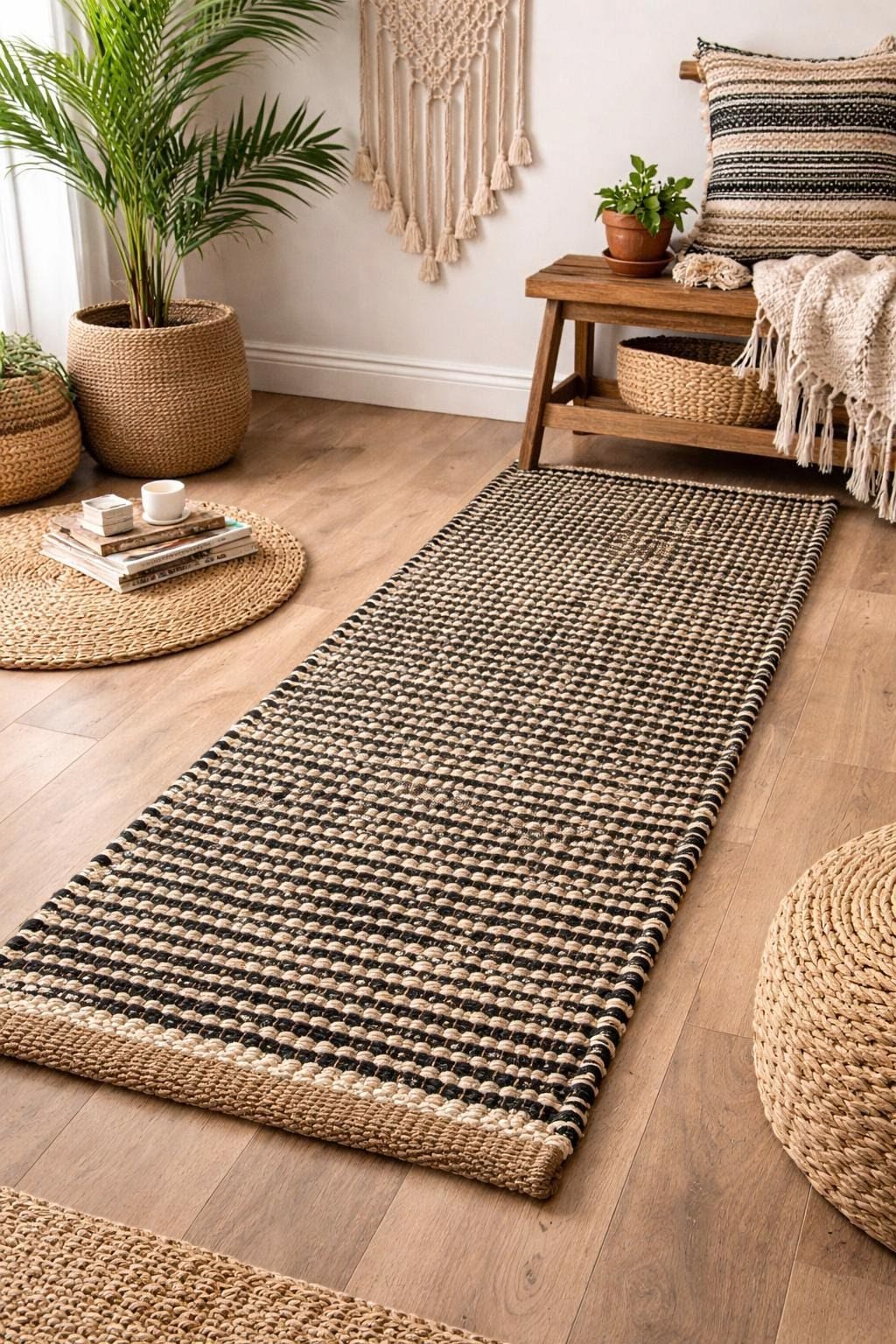
Choose a jute rug if you want greater softness and a warm, relaxed texture. Choose a hemp rug if durability and resistance to frequent foot traffic are more important. For bedrooms and relaxed living spaces, jute can be particularly appealing because its softer fibres feel comfortable and introduce natural warmth without making the room look heavy. For hallways, dining rooms, busy living spaces, and other areas exposed to frequent movement, hemp may be the more practical option because of its stronger fibre structure.
If you like the characteristics of both, a hemp and jute rug provides another option. Combining the two fibres can bring together jute’s natural texture with hemp’s added strength. Ultimately, think about the room rather than simply choosing one material as universally better. Consider how frequently people walk across the rug, whether softness matters, how likely spills are, and how much maintenance you are willing to provide.
How to Clean a Jute Rug?
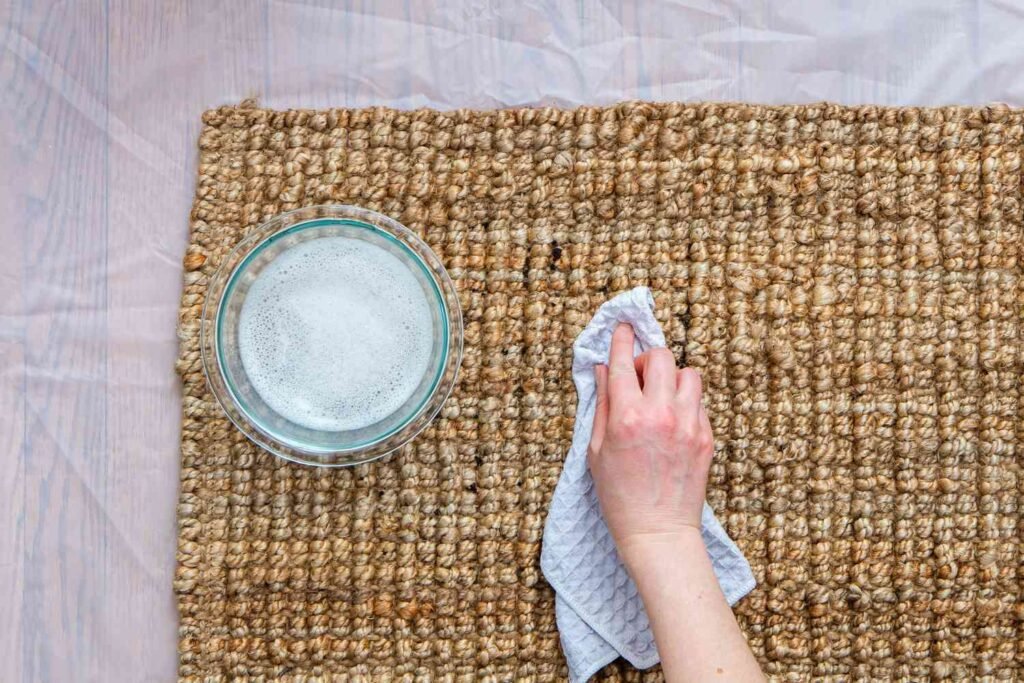
Clean a jute rug using gentle, low-moisture methods because excessive water can soak into the natural fibres and cause staining, discolouration, stiffness, or deterioration.
- Vacuum Regularly: Use gentle suction to remove surface dust, crumbs, and dirt before they become embedded in the weave.
- Avoid Aggressive Brush Rolls: Strong rotating brushes can catch loose natural fibres and gradually damage the woven surface.
- Blot Spills Immediately: Press a clean, absorbent cloth over a fresh spill instead of rubbing it. Rubbing can spread the liquid and push it deeper into the fibres.
- Spot Clean Carefully: For minor marks, use only a small amount of cleaner suitable for natural-fibre rugs. Test it on an inconspicuous area first.
- Use Minimal Moisture: Do not saturate a jute rug. The less unnecessary water introduced into the fibres, the better.
- Dry the Area Completely: After spot cleaning, provide good airflow and allow the rug to dry fully before placing furniture back over the area.
- Avoid Machine Washing: Most traditional jute rugs should not be placed in a washing machine because soaking and agitation can distort or damage the natural fibres.
How to Clean Hemp Rugs?
Hemp rugs should also be cleaned using regular vacuuming, prompt stain treatment, and controlled moisture rather than heavy soaking.
- Remove Loose Dirt First: Vacuum the rug regularly so dust, sand, and grit do not remain trapped within the fibres.
- Use Gentle Suction: Avoid unnecessarily aggressive settings that could disturb the weave or pull loose fibres.
- Treat Spills Quickly: Use a clean cloth to blot up as much liquid as possible immediately after a spill occurs.
- Do Not Scrub Aggressively: Hard scrubbing can alter the texture of the rug and spread a stain over a larger area.
- Spot Clean When Needed: Apply a small amount of mild cleaner suitable for natural fibres to the affected area rather than wetting the entire rug.
- Limit Water Exposure: Hemp is strong, but leaving a natural-fibre rug saturated or damp for extended periods can still lead to problems.
- Allow Thorough Drying: Ensure good airflow around the cleaned section and wait until it has dried completely before returning it to normal use.
- Consider Professional Cleaning: For large stains, deep cleaning, or valuable rugs, professional treatment can reduce the risk of accidental fibre damage
Wrap Up
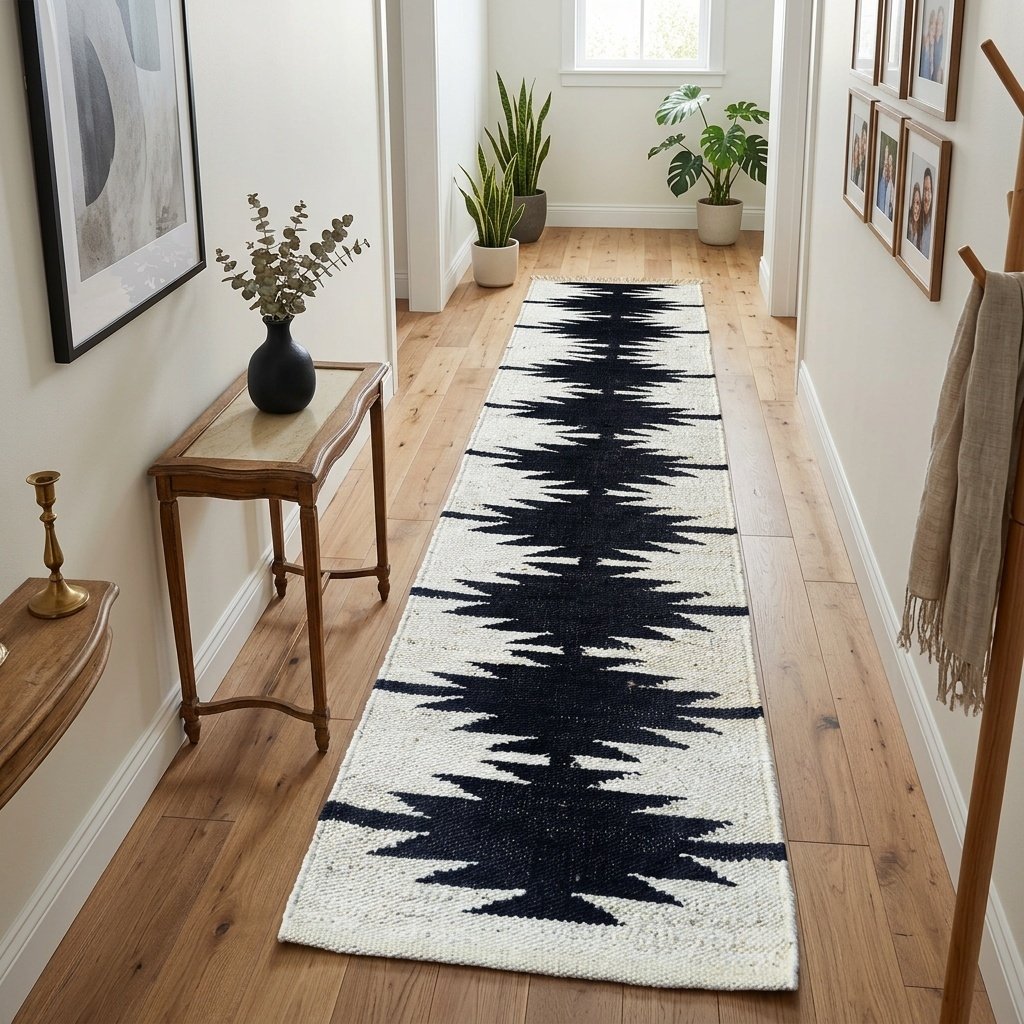
Hemp and Jute Rugs
Style your space with hemp and jute rugs that bring together earthy texture, durable fibres, and a warm natural look.

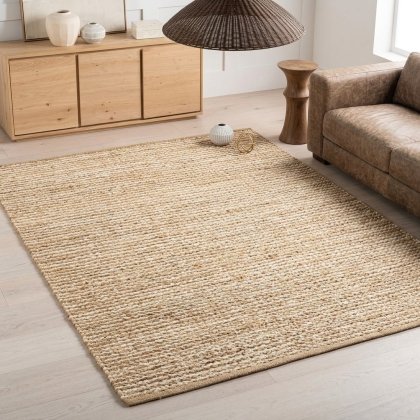
Natural fiber jute rug
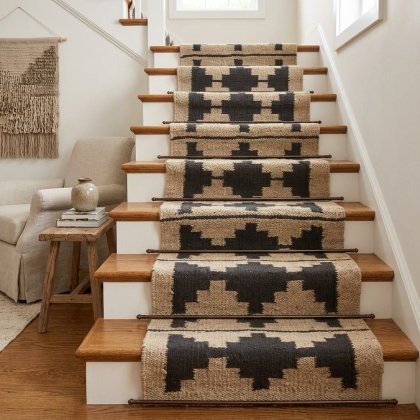
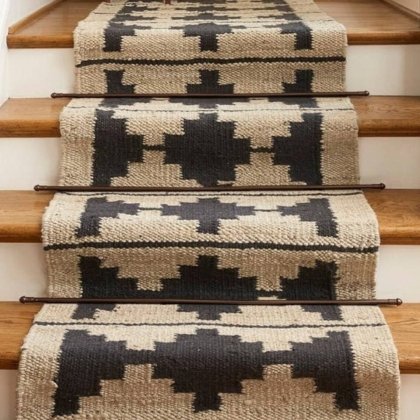
Price range: $198.90 through $1,381.90Black and natural hemp jute rug stair runner
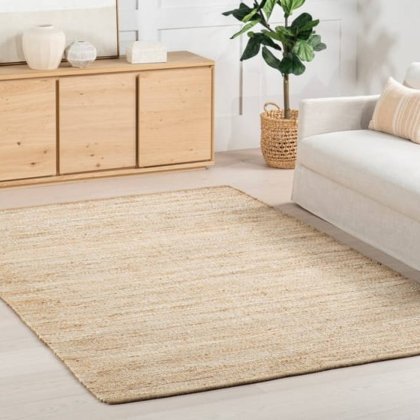
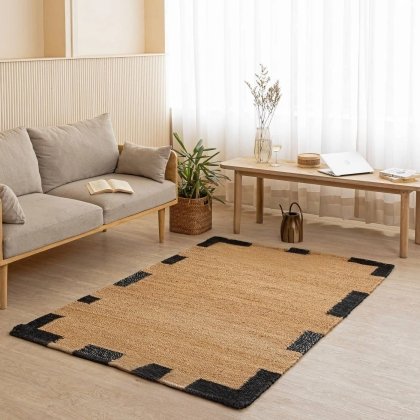
Price range: $129.90 through $1,338.90Black border hemp and jute area rug
Price range: $123.90 through $1,389.90

Jute and hemp are both natural rug fibres, but they offer different strengths. Jute is typically softer and warmer underfoot, while hemp is firmer, stronger, and generally better suited to frequent wear. Jute can work beautifully in bedrooms, living rooms, and other comfortable spaces, while hemp is worth considering when durability is the main concern. The best rug depends on the room, traffic level, texture you prefer, and how you plan to maintain it. You can also choose hemp-jute blends when you want characteristics of both natural fibres. Explore our collection of jute rugs and hemp and jute rugs, along with runner rugs, round rugs, cotton jute rugs, wool jute rugs, and other natural designs for every part of your home.